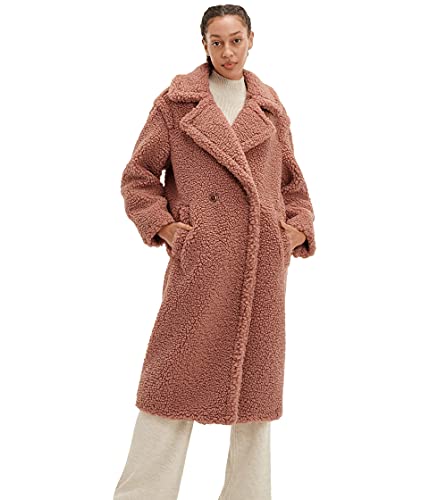
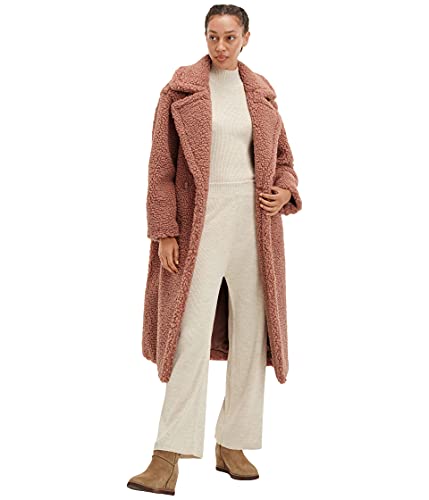
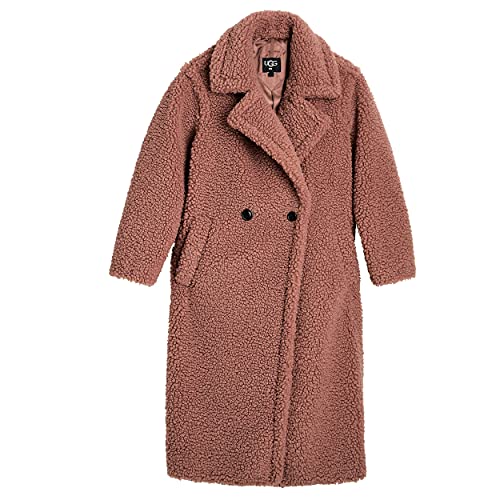
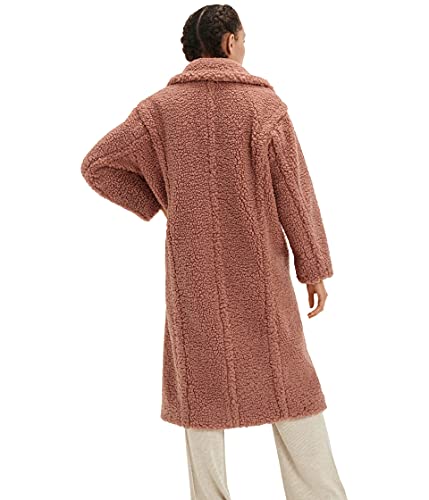
Prioritize Fabric Composition and Weather Resistance
The most critical decision factor is the material. Traditional trench coats are crafted from cotton gabardine, a tightly woven fabric that offers natural water repellency and exceptional durability. If you live in a climate with frequent drizzle, look for high-density cotton or blends that include a touch of synthetic fiber to enhance wind resistance without sacrificing breathability. For a more luxury feel, lightweight poplin or silk-blend trenches work beautifully for spring, but they offer minimal protection against heavy rain. Avoid low-quality polyester blends that lack breathability, as they can create a 'greenhouse effect,' making you feel clammy even when it is cool outside.
Analyze the Silhouette and Structure
Trench coats come in various cuts, and the silhouette will dictate how you can wear the piece. The classic double-breasted style provides a structured, authoritative look that is perfect for office environments. It features wide lapels and a belted waist that creates an hourglass shape. If you prefer a more contemporary, relaxed aesthetic, consider a single-breasted or oversized 'boyfriend' fit. These styles are easier to layer over chunky knit sweaters and offer a more effortless, street-style vibe. Pay close attention to the shoulder construction. A well-fitted trench should have seams that sit exactly at your natural shoulder line to prevent the coat from looking bulky or ill-fitting.
Essential Design Details to Look For
A true trench coat is defined by its utilitarian details. When evaluating a coat, look for the following hallmarks of quality:
- The Storm Flap: Often found on the chest or back, this extra layer of fabric is designed to prevent water from seeping into the jacket.
- Epaulettes: These shoulder straps add a military-inspired structure and can help define the frame of the coat.
- Cuff Straps: Adjustable straps at the wrists allow you to tighten the sleeves, which is essential for keeping wind and rain out.
- The Belt: A high-quality belt should be made of the same material as the coat and feature a sturdy buckle. Look for styles with belt loops that are sewn securely to prevent sagging.
Consider Length and Layering Versatility
The length of your coat will significantly impact your mobility and style. Mid-thigh lengths are versatile and work well for shorter frames, as they don't overwhelm the body. A knee-length trench is the gold standard for timeless elegance, offering maximum coverage and a professional appearance. For a dramatic, high-fashion statement, midi or maxi-length coats are trending, but keep in mind they can be cumbersome in heavy wind or crowded urban environments. Always consider your typical layering needs. If you wear heavy blazers or thick scarves, ensure the armholes and chest area are roomy enough to accommodate them without restricting movement.