Prioritize Drainage and Breathability
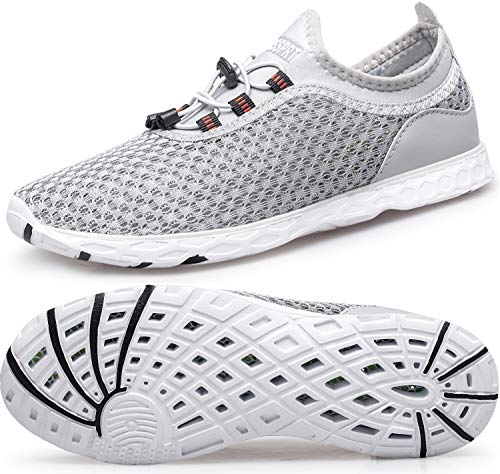
The most critical technical feature of a high-quality water shoe is its ability to shed water quickly. You do not want to be walking around with heavy, water-logged fabric clinging to your feet. Look for designs that incorporate mesh panels or specialized drainage ports in the sole. These features allow water to exit the shoe with every step, preventing that heavy, 'sloshing' sensation. Furthermore, breathability is essential to prevent skin irritation and fungal issues. Materials that allow air to circulate will help the shoe dry faster once you step back onto dry land.
Sole Traction and Protection
The primary job of a water shoe is to act as a barrier between your skin and the environment. Depending on your activity, your needs will shift. If you are primarily walking on sandy beaches, a soft, flexible sole is sufficient. However, if your plans include rocky riverbeds, tide pools, or jagged coral, you must prioritize a rugged, high-grip rubber outsole. Look for multi-directional lug patterns that provide traction on wet, uneven surfaces. A thicker sole will also provide much-needed cushioning against sharp stones, preventing puncture wounds and discomfort during long treks.
Fit and Secure Closure Systems
Water shoes are prone to being washed off by currents or slipping off during movement if they are not properly secured. Avoid styles that rely solely on a loose slip-on design if you plan to be in moving water. Instead, look for shoes with adjustable closures, such as bungee cords, drawstrings, or secure hook-and-loop straps. A snug, glove-like fit is vital to prevent friction, which can lead to painful blisters when your skin is softened by water. The heel should be well-supported to ensure the shoe stays locked to your foot even when submerged.
Material Durability and Comfort
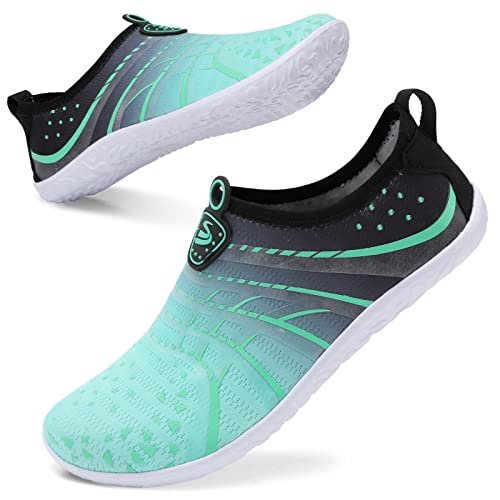
Because these shoes are constantly exposed to salt, sand, and UV rays, material choice is paramount. Synthetic meshes and neoprene are industry standards because they resist degradation from saltwater and dry relatively quickly. Avoid heavy cotton-based materials, which absorb water and lose their shape. Additionally, consider the interior lining. A seamless interior is a major advantage, as it reduces the risk of chafing against wet skin. A lightweight construction is always preferred to ensure the shoes don't feel like weights on your feet once they become wet.
Activity-Specific Selection Logic
To make the final decision, match the shoe to your specific environment. For casual beach lounging, prioritize lightweight, easy-to-slip-on designs with quick-dry mesh. For kayaking or paddleboarding, look for shoes with a bit more structure and a secure strap to ensure they stay on during sudden movements. For serious hiking in wet environments, invest in a hybrid water shoe that offers a more substantial outsole and reinforced toe caps to handle rugged terrain. By matching the technical specs to your intended use, you ensure both safety and comfort.