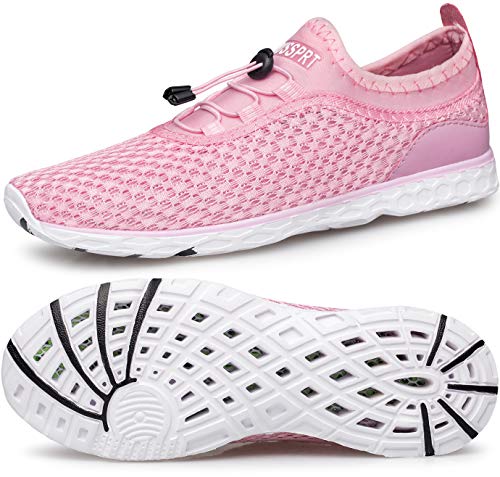
Prioritize Sole Traction and Grip
The most critical component of any water shoe is the outsole. When you are walking on wet, mossy rocks or submerged concrete, a standard rubber sole isn't enough. Look for outsoles that feature multi-directional lug patterns. These deep grooves provide mechanical grip on uneven surfaces and help channel water away from the contact point, preventing hydroplaning. If you plan on using your shoes for more than just wading—such as light hiking or beach volleyball—seek out specialized rubber compounds that offer high abrasion resistance without becoming overly stiff when wet.
Drainage and Quick-Dry Technology
A common mistake is choosing a shoe that holds water like a sponge. This leads to heavy, waterlogged feet and increased risk of blisters due to friction. High-quality water shoes utilize mesh upper materials that allow water to flow out instantly as you move. Furthermore, check the lining. Synthetic, moisture-wicking fabrics are essential for ensuring that once you step out of the water, the shoe dries rapidly in the sun. Avoid heavy canvas or thick neoprene if your primary goal is speed and lightness, as these materials take significantly longer to shed moisture.
Fit, Security, and Protection
Water is a dynamic environment. You don't want your shoes floating away or sliding off your heels mid-stride. Look for designs that incorporate secure fastening systems. While simple slip-ons are convenient for casual wading, models with bungee cord laces or adjustable heel straps offer a much more customized and secure fit. This is particularly important for active users who need the shoe to move as an extension of their foot. Additionally, ensure the toe cap is reinforced. A rubberized toe bumper provides a necessary buffer against submerged stones and coral, preventing painful stubbed toes during high-movement activities.
Material Durability and Skin Comfort
Because water shoes are constantly exposed to salt, sand, and UV rays, material choice is paramount. Look for high-grade synthetic meshes that resist fraying and salt degradation. Sand is the enemy of comfort. Ensure the shoe has a tight enough weave to prevent fine grains from entering the interior, which can cause painful chafing. If you have sensitive skin, prioritize seamless interior construction to minimize the points of friction that lead to hot spots and blisters during long periods of wear.
Decision Logic: Choosing Your Style
To make the final decision, categorize your primary activity. If you are a casual beachgoer, focus on lightweight, easy-on/easy-off designs with decent drainage. If you are an adventurer tackling rocky coastlines or stream crossings, prioritize heavy-duty outsoles, reinforced toe protection, and secure lace-up systems. For those using water shoes for fitness or HIIT-style training in wet environments, look for shoes with a more structured midsole to provide the arch support and energy return typically found in athletic trainers.