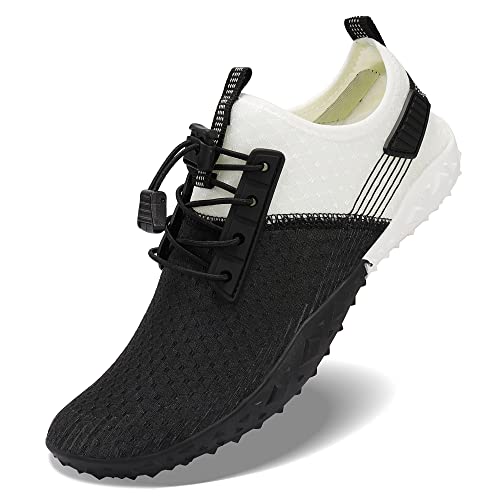
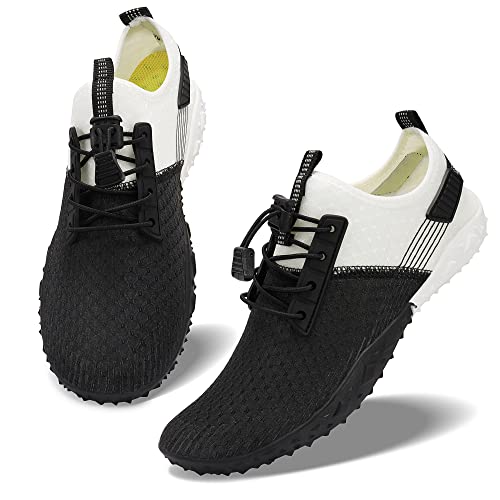
Prioritizing Sole Traction and Protection
The most critical component of any water shoe is the outsole. When walking on submerged surfaces, you are often dealing with algae-covered rocks, slippery river stones, or uneven coral. Look for outsoles made from high-friction rubber compounds that offer multidirectional grip. A shallow tread pattern is sufficient for sandy beaches, but if your activities involve rocky terrain, you should opt for a more aggressive lug pattern that provides stability on uneven surfaces. Additionally, ensure the sole is thick enough to protect your feet from sharp shells or jagged stones, but not so bulky that it compromises your ability to feel the ground beneath you.
Drainage and Drying Speed
A common mistake is choosing a shoe that traps water inside. Once a shoe becomes waterlogged, it gains significant weight, which can lead to fatigue and even cause the shoe to slip off your foot. High-quality water shoes utilize mesh panels or specialized drainage ports in the sole to allow water to exit the shoe immediately upon movement. Furthermore, consider the material of the upper. Synthetic meshes and quick-dry textiles are superior to neoprene or heavy fabrics, as they allow for maximum airflow, ensuring the shoe dries quickly once you step back onto dry land.
Fit, Security, and Blister Prevention
Water shoes must fit like a second skin. If there is too much room inside the shoe, your foot will slide around during movement, creating friction that leads to debilitating blisters. Conversely, a shoe that is too tight will cause swelling once your feet become wet and warm. Look for adjustable closure systems—such as bungee laces, elasticated entry points, or secure heel straps—that allow you to customize the tension. A secure heel cup is particularly important to prevent the 'flip-flop effect' where the shoe drags behind you in moving water. Always test the fit with the understanding that your feet may expand slightly during prolonged immersion.
Material Durability and Skin Comfort
The interface between the shoe and your skin is vital. Because water shoes are often worn without socks, the interior seams must be smooth and well-constructed. Rough stitching or exposed seam edges can act like sandpaper against wet skin. Look for seamless construction or bonded fabrics that minimize irritation. Additionally, consider the UV resistance of the materials. If you plan on spending hours in sun-drenched tropical waters, you want a shoe that won't degrade or lose its structural integrity due to sun exposure.
Decision Logic: Matching the Shoe to the Activity
To make your final selection, categorize your primary use case. For casual beach lounging and wading, a lightweight, slip-on mesh shoe is ideal. For kayaking or paddleboarding, prioritize a shoe with a secure heel strap to ensure it stays on during sudden movements. For river trekking or rocky coastal exploration, invest in a more rugged option with a reinforced toe cap and a heavy-duty rubber outsole. By matching the technical specifications of the shoe to the specific demands of your environment, you ensure long-lasting comfort and safety.