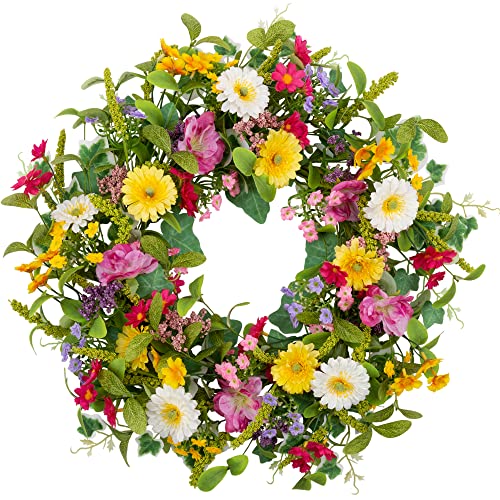
Material Composition and Botanical Realism
The most critical factor in selecting a skrantun wreath is the quality of the base materials. High-end wreaths utilize a mix of preserved natural elements and premium silk or polymer botanicals. When evaluating a wreath, look closely at the 'leaf' structure. Realism is found in the imperfections—slight color gradients, realistic vein patterns, and varied textures that mimic actual foliage. Avoid wreaths that feature a uniform, shiny plastic sheen, as these tend to look artificial under direct sunlight or bright porch lighting. If you are opting for a dried botanical wreath, ensure the stems are tightly bound to a sturdy grapevine or willow base to prevent shedding or structural collapse over time.
Seasonal vs. Permanent Decor
You must decide whether your wreath is intended for a specific occasion or as a year-round architectural accent. Seasonal skrantun wreaths often feature high-impact color palettes—deep crimsons and gold accents for winter, or bright pastels and faux blossoms for spring. These are wonderful for rotating your home's aesthetic. However, if you prefer a 'set it and forget it' approach, look for permanent greenery wreaths. These typically utilize evergreen textures, eucalyptus, or dried wheat, which maintain their visual weight and color through all four seasons. A permanent wreath should be constructed with UV-resistant materials to prevent the dreaded 'sun-bleached' look that plagues lower-quality outdoor decor.
Structural Integrity and Mounting Options
A wreath is only as good as its ability to hang straight and remain secure. Check the density of the wreath. A high-quality skrantun piece should feel substantial. If the wreath is too sparse, the underlying frame (often wire or wood) will be visible, which detracts from the premium feel. Furthermore, consider the mounting method. Does the wreath come with a sturdy loop, or will you need to source a heavy-duty wreath hanger? For heavy, lush arrangements featuring dense berries or thick wood elements, ensure the base is reinforced so it doesn't sag or lose its circular shape due to gravity.
Scale and Proportionality
One of the most common mistakes in wreath shopping is ignoring the scale of the door. A small, delicate wreath can look lost on a large, heavy oak door, while an oversized, sprawling arrangement can overwhelm a narrow entryway. As a rule of thumb, your wreath should occupy approximately 60% to 75% of the door's width to achieve a balanced, professional look. If you are using the wreath as wall decor inside a room, consider the surrounding furniture. A wreath placed above a console table should be scaled to complement the width of the table to create a cohesive visual anchor.
Maintenance and Durability Factors
Finally, consider your environment. If the wreath is destined for an exposed porch, it will face wind, moisture, and temperature fluctuations. Look for 'all-weather' designations and ensure the construction uses weather-treated bases. For indoor use, maintenance is minimal, but you should still look for pieces that are easy to dust. Avoid overly intricate, 'fussy' designs if you don't want to spend time cleaning individual petals or berries. A well-chosen skrantun wreath should remain a beautiful focal point with very little effort beyond an occasional light dusting.