Material Integrity and Texture
The first factor to consider is the fabric composition. Most premium yoga straps utilize a heavy-duty cotton weave. Cotton is preferred because it offers a balance of strength and 'grip.' A strap that is too slick, such as certain synthetic blends, may slide through your hands or loosen unexpectedly during a weighted stretch, which can be jarring and potentially dangerous. Conversely, a strap with a high-density weave provides the necessary friction to stay anchored against your limbs. When evaluating a strap, look for a texture that feels substantial; you want a tool that stays exactly where you place it, allowing you to focus on your breath rather than constantly readjusting your grip.
Length and Versatility
While a standard length is often sufficient for most seated poses, the utility of a strap is significantly enhanced by its ability to accommodate various body types and advanced movements. A longer strap allows for more creative configurations, such as using the strap for restorative Yin yoga or as a tool for assisted inversions. If you have long limbs or are working on complex spinal twists, a strap that offers extra slack is invaluable. However, ensure the strap features a robust system for shortening its length—typically through a metal or heavy-duty reinforced loop—so that you can tighten it for more controlled, precise movements in Hatha or Vinyasa flows.
Durability of the Hardware
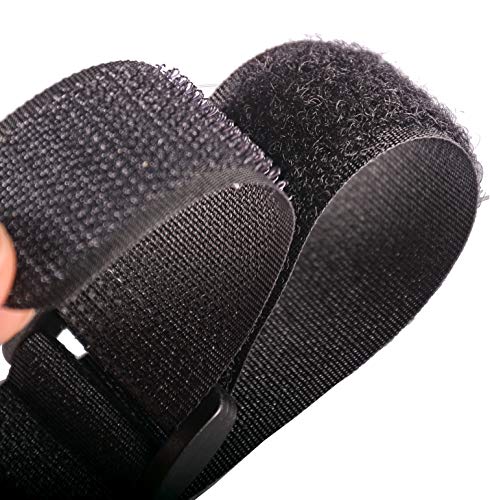
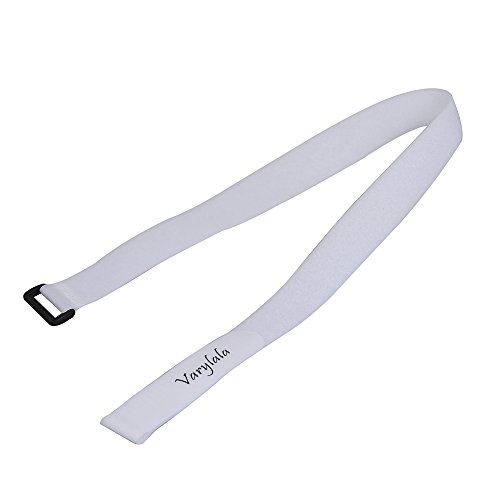
The connection point—where the strap loops through itself or a buckle—is the most common point of failure in low-quality yoga accessories. For a strap to be a long-term investment, the stitching at the ends must be reinforced with heavy-duty thread to prevent fraying. If the design utilizes a metal D-ring or a sliding buckle, ensure the metal is smooth and rust-resistant. A buckle that catches or snags on the fabric will frustrate your practice and can lead to uneven tension. The ideal strap provides a seamless transition between the tension of the fabric and the stability of the hardware.
Purpose-Driven Selection
To make the best decision, identify your primary yoga style. If your practice is focused on restorative or Yin yoga, look for a strap that is slightly softer to the touch, as it will be in prolonged contact with your skin. If you are a power yoga enthusiast using straps to correct alignment during active flows, prioritize a strap with high tensile strength and minimal stretch. A strap that stretches too much under tension will fail to provide the stability needed to correct a posture, effectively defeating its purpose as a corrective tool.