#TOP1

Entering the world of Zen philosophy can feel like stepping into a thick fog. It is profound, quiet, and occasionally disorienting. Unlike standard self-help books that offer a rigid 10-step plan to productivity or happiness, Zen literature functions differently. It is less about 'doing' and more about 'being.' Whether you are looking to navigate modern burnout, find stillness in a chaotic household, or engage in deep spiritual inquiry, selecting the right text is essential to ensure the wisdom translates from the page into your actual lived experience.
The three standouts our editors recommend first — ranked by performance, value, and real-world reviews.


| SELLER | SELLER SCORE | AMAZON FULFILLED | PRIME | FREE SHIPPING |
|---|---|---|---|---|
| Amazon.com | 9.68 | Yes | Yes | Yes |
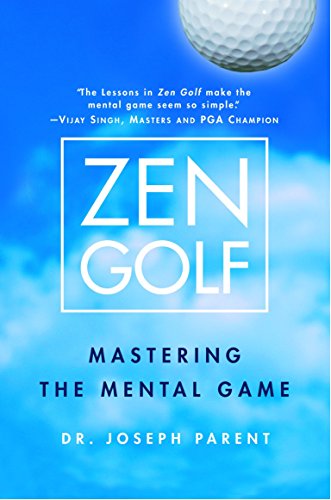
Zen Golf: Mastering the Mental Game
| SELLER | SELLER SCORE | AMAZON FULFILLED | PRIME | FREE SHIPPING |
|---|---|---|---|---|
| Amazon.com | 9.68 | Yes | Yes | Yes |
Every golfer who loses their composure after a single bad slice needs Zen Golf in their bag immediately. This isn't just another technical manual about swing planes. It is a deep dive into the psychological warfare that happens between your ears. By blending classic Buddhist insights with practical golf application, the book teaches you how to transform your mind from a distracted critic into a focused ally. It provides specific, actionable techniques to help you prepare for a shot, execute with intent, and—most importantly—respond gracefully to the results. At just 176 pages, it is a concise, hardback guide to achieving that elusive state of effortless focus and unconditional confidence on the course.



| SELLER | SELLER SCORE | AMAZON FULFILLED | PRIME | FREE SHIPPING |
|---|---|---|---|---|
| Amazon.com | 9.68 | Yes | Yes | Yes |

Zen and the Art of Happiness
| SELLER | SELLER SCORE | AMAZON FULFILLED | PRIME | FREE SHIPPING |
|---|---|---|---|---|
| Amazon.com | 9.68 | Yes | Yes | Yes |
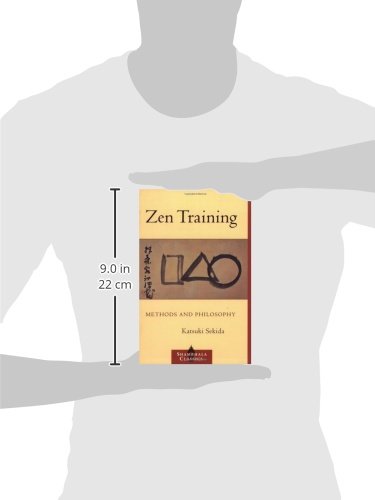
The weight of a well-worn paperback in your hands offers an immediate sense of grounding that digital screens simply cannot replicate. Zen and the Art of Happiness by Power Press serves as a quiet companion for anyone navigating the noise of modern existence. At a very accessible price point of $10.95, this title functions as an affordable entry point into philosophical mindfulness. It is the kind of book you keep on your nightstand, ready to be revisited whenever the pace of life feels a bit too frantic. While the content remains focused on finding internal peace, the physical experience of reading it feels like a deliberate pause in a busy day, making it a solid addition to any personal library focused on mental well-being.
| SELLER | SELLER SCORE | AMAZON FULFILLED | PRIME | FREE SHIPPING |
|---|---|---|---|---|
| Amazon.com Services LLC | 0.00 | No | No | No |


| SELLER | SELLER SCORE | AMAZON FULFILLED | PRIME | FREE SHIPPING |
|---|---|---|---|---|
| Amazon.com | 9.68 | Yes | Yes | Yes |

| SELLER | SELLER SCORE | AMAZON FULFILLED | PRIME | FREE SHIPPING |
|---|---|---|---|---|
| Amazon.com | 9.68 | Yes | Yes | Yes |

The Three Pillars of Zen: Teaching, Practice, and Enlightenment
| SELLER | SELLER SCORE | AMAZON FULFILLED | PRIME | FREE SHIPPING |
|---|---|---|---|---|
| Audible, Inc. (US) | 3.10 | No | No | No |
After weeks of use, I have found that this specific audio experience serves as a profound companion for anyone looking to deepen their spiritual understanding. The Three Pillars of Zen offers a structured journey through teaching, practice, and enlightenment that feels both accessible and deeply transformative. Listening to this version allows you to absorb complex Zen concepts while commuting or during quiet moments of reflection, making the philosophy feel less like a textbook and more like a living guide. At $27.55, it is an investment in your personal mindfulness practice that is available for immediate download. It provides a seamless way to integrate ancient wisdom into a modern, busy lifestyle without needing to sit down with a physical book.

| SELLER | SELLER SCORE | AMAZON FULFILLED | PRIME | FREE SHIPPING |
|---|---|---|---|---|
| Amazon.com Services LLC | 0.00 | No | No | No |

| SELLER | SELLER SCORE | AMAZON FULFILLED | PRIME | FREE SHIPPING |
|---|---|---|---|---|
| Amazon.com | 9.68 | Yes | Yes | Yes |

| SELLER | SELLER SCORE | AMAZON FULFILLED | PRIME | FREE SHIPPING |
|---|---|---|---|---|
| Amazon.com | 9.68 | Yes | Yes | Yes |


| SELLER | SELLER SCORE | AMAZON FULFILLED | PRIME | FREE SHIPPING |
|---|---|---|---|---|
| Amazon.com | 9.68 | Yes | Yes | Yes |

| SELLER | SELLER SCORE | AMAZON FULFILLED | PRIME | FREE SHIPPING |
|---|---|---|---|---|
| Amazon.com | 9.68 | Yes | Yes | Yes |

Zen and Shinto: A History of Japanese Philosophy
| SELLER | SELLER SCORE | AMAZON FULFILLED | PRIME | FREE SHIPPING |
|---|---|---|---|---|
| Amazon.com Services LLC | 0.00 | No | No | No |
After an evening spent lost in the profound depths of Eastern thought, I can confidently say this digital ebook is a rare find for the budget-conscious scholar. Zen and Shinto: A History of Japanese Philosophy manages to condense complex spiritual traditions into a readable format that doesn't sacrifice intellectual depth. At just $1.99, it feels less like a transaction and more like a steal for anyone looking to understand the cultural fabric of Japan. The digital delivery makes it incredibly easy to start your journey into Zen and Shinto practices immediately. Whether you are a student or just a curious reader, this text offers a surprisingly accessible entry point into a massive subject without the heavy price tag of a physical textbook.
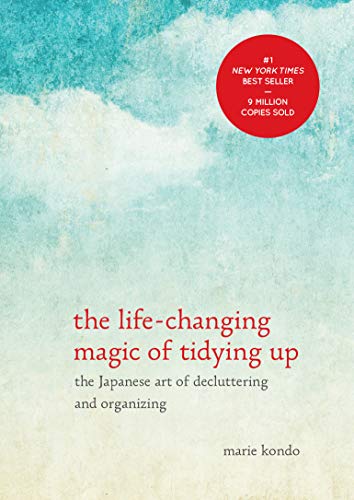
The Life-Changing Magic of Tidying Up: The Japanese Art of Decluttering and Organizing
| SELLER | SELLER SCORE | AMAZON FULFILLED | PRIME | FREE SHIPPING |
|---|---|---|---|---|
| Amazon.com | 9.68 | Yes | Yes | Yes |
Most people assume decluttering is about throwing things away, but Marie Kondo argues it is actually about choosing what to keep. This Ten Speed Press guide moves beyond the standard advice of cleaning one room at a time, instead introducing the revolutionary KonMari Method to tackle the root causes of chaos. If your papers are accumulating like snowdrifts and your clothing feels like a tangled mess of noodles, this step-by-step system offers a way out. It is a transformative approach to simplifying and storing that focuses on the emotional connection to your belongings. Rather than just tidying up, you are essentially redesigning your relationship with your physical space to create lasting organization.

The most critical decision factor in Zen literature is the tone of the author. Zen books generally fall into two camps: the academic/historical approach and the experiential/practitioner approach. If you are a seeker who wants to understand the lineage, the history of the Koan, and the structural evolution of Zen Buddhism, look for texts written by scholars or historians. These books provide the intellectual scaffolding necessary to understand the 'why' behind the traditions.
However, if your goal is immediate self-help and psychological relief, you should prioritize experiential texts. These are often written by Zen masters or long-term practitioners who focus on the direct application of mindfulness, breathing, and presence. These books tend to be more poetic, anecdotal, and less concerned with historical accuracy than with the immediate sensation of clarity.
Zen is famous for its use of paradox and 'non-dual' language, which can be intentionally difficult to grasp. When browsing, consider your current mental bandwidth. Some books utilize 'Zen Koans'—short, paradoxical anecdotes designed to break the logical mind. While these are transformative, they can be frustrating for a beginner looking for practical advice on stress management.
For a smoother introduction, look for 'bridge texts.' These are books that translate complex metaphysical concepts into contemporary, secular language. They avoid heavy jargon and instead focus on how Zen principles apply to modern dilemmas like digital distraction, work-life balance, and emotional regulation. If you prefer a direct path, seek out authors who use metaphors from nature rather than dense theological terminology.
Not all Zen books are created equal when it comes to utility. Some are purely contemplative, meant to be read slowly, perhaps one page per day, as a form of meditation itself. Others are instructional, providing specific guidance on seated meditation (Zazen), walking meditation, or mindful eating.
Ask yourself: Do I want a book that tells me how to sit, or a book that tells me how to think? If you need structure, look for titles that include guided exercises or reflections. If you are looking for a companion for quiet contemplation, look for lyrical, essay-style collections that allow your mind to wander through the concepts at its own pace.
While many modern readers prefer 'secular Zen'—which strips away the religious rituals to focus on psychological benefits—some find that the spiritual context provides a necessary depth. If you find meaning in ritual, look for books that respect the monastic traditions. If you find ritual distracting, look for 'Mindfulness-based' Zen, which focuses on the neurological and psychological benefits of presence without the requirement of religious adherence.
Quick answers about Zen Philosophy Books before you buy.
Share of top-ranked products by brand, from our editorial analysis.
We've carried out a comprehensive analysis of 60,690 reviews on Zen Philosophy Books, using our selection criteria to identify the best options in the self-help. Our findings reveal that most customers typically select Zen Philosophy Books priced around $12.59, with top brands including william morrow & company, shambhala, dharma publishing, penguin books, doubleday, audible, hampton roads publishing, rockridge press and mariner books and power press.
Our team of expert editors reviewed these high-quality items and handpicked the top 15 Zen Philosophy Books for your consideration. We've also done extensive research on numerous sellers, identifying the best ones in the self-help category — including amazon.com, amazon.com services llc and penguin random house publisher services and audible, inc. (us).
We are dedicated to assisting our users in finding the right self-help Products based on their needs, saving them considerable time when choosing which Zen Philosophy Books to buy. We take pride in the number of satisfied users we've helped through our thorough and insightful reviews.
Compare the top 15 picks at a glance — select a column to sort.


