Understanding the Protection Spectrum
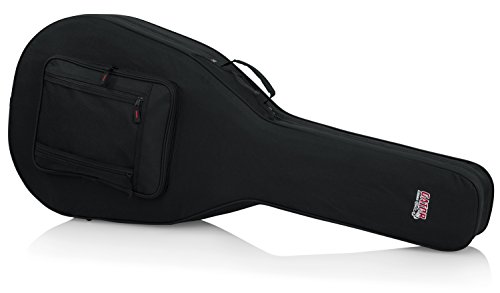
The first decision you must make is determining how much 'armor' your guitar actually needs. Gator categorizes much of its lineup by padding thickness and shell rigidity. For those who primarily play at home or in a studio, a lightweight gig bag with minimal padding may suffice. However, if you are traveling, you need to look for bags featuring high-density foam. Some Gator models utilize a semi-rigid structure that provides a middle ground: they offer much more crush resistance than a standard nylon bag but remain significantly lighter and more maneuverable than a traditional wooden hard case. If your guitar is a high-value vintage instrument, prioritize cases with reinforced bases and thicker interior lining to prevent impact damage.
Padding, Lining, and Interior Fit
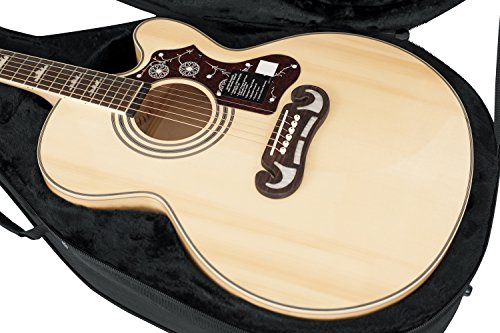
A common mistake is overlooking the internal environment of the case. For acoustic guitars, humidity and temperature fluctuations are just as dangerous as physical drops. Look for cases with plush, velvet-like linings that prevent surface scratches on delicate nitrocellulose finishes. More importantly, examine the padding density. High-density foam provides better shock absorption, meaning the energy from a bump is dissipated before it reaches the guitar's bridge or neck joint. Additionally, ensure the interior shape accommodates your specific guitar body type—such as Dreadnought, Concert, or Parlor—to prevent the instrument from shifting inside the case during transport.
Portability and Ergonomics
If you are a gigging musician, the 'carry experience' is paramount. A heavy case might be safe, but if it is uncomfortable to carry for twenty minutes, you will dread using it. Evaluate the strap system: look for reinforced, padded backpack straps that distribute weight evenly across your shoulders. Some premium Gator bags feature multiple carry options, including side handles and ergonomic shoulder straps. Check the quality of the zippers as well. Heavy-duty, oversized zippers are essential for acoustic cases, as the larger circumference of a dreadnought body puts significant tension on the fastening mechanism.
Weather Resistance and External Features
Acoustic guitars are notoriously sensitive to moisture. While no soft bag is entirely waterproof, many Gator cases utilize water-resistant ballistic nylon exteriors. This is a critical feature for musicians who walk from a car to a venue in the rain. Beyond weatherproofing, consider the utility of external storage. If you carry extra strings, a tuner, a capo, and sheet music, you will want a case with dedicated, structured accessory compartments. A bag that is too cramped will force you to squeeze items into the main compartment, potentially putting pressure on the guitar's headstock or body.
Summary Recommendation Logic
To make your final choice, follow this logic: If you are a student or commuter, prioritize 15mm-20mm padded gig bags with ergonomic straps. If you are a traveling performer, opt for the semi-rigid series that offers a balance of lightweight portability and impact protection. If you are transporting an heirloom instrument via air travel, skip the soft bags entirely and invest in a heavy-duty, reinforced hard case designed to withstand the rigors of baggage handling.