Understanding Electrical Specifications
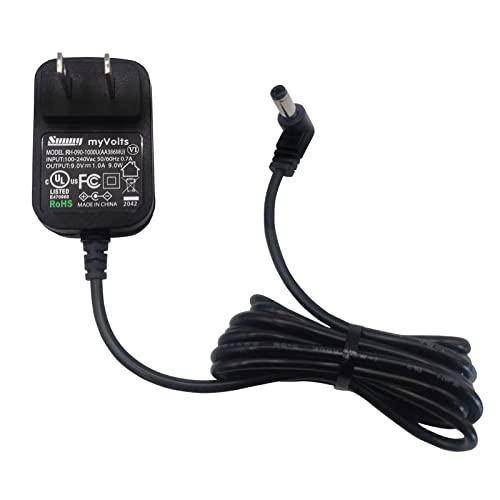
The most critical factor when selecting a myvolts adapter is matching the exact electrical profile of your device. You cannot simply look at the plug shape. You must analyze the label on your device's original power supply or the input panel of the device itself. There are three primary metrics to verify: Voltage, Amperage, and Polarity.
Voltage: This must be an exact match. If your device requires 12V, using a 15V adapter will likely fry the components, while a 9V adapter will result in insufficient power or erratic behavior.
Amperage (Current): This is where many users make mistakes. The adapter's amperage rating must be equal to or higher than what the device requires. If your device draws 500mA, an adapter providing 1000mA is perfectly safe. The device will only draw what it needs. However, an adapter providing only 250mA will overheat and fail.
Polarity: This refers to whether the center pin of the connector is positive or negative. Reversing this can be catastrophic for modern electronics.
Connector Tip Compatibility
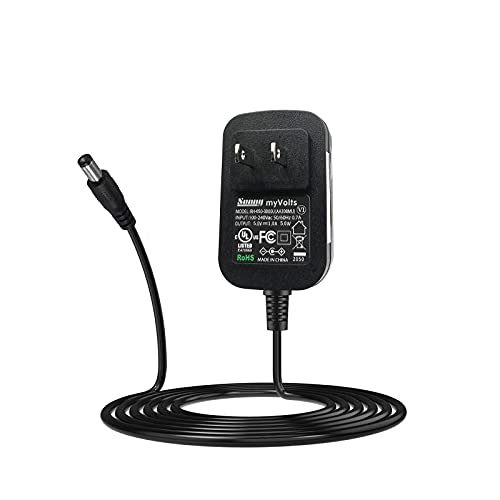
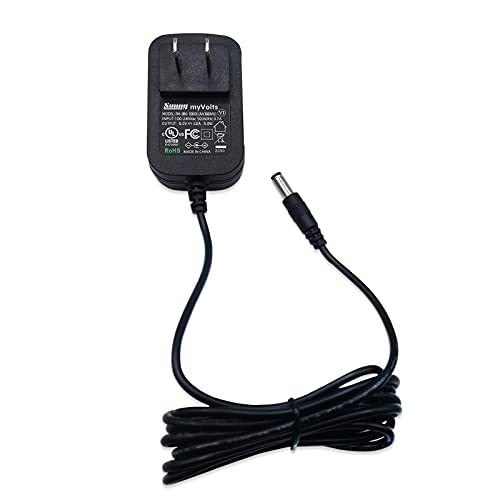
Even if the electrical specs are perfect, the physical connection is the final hurdle. Myvolts offers a wide variety of barrel jack sizes, measured by outer diameter and inner diameter. A tip that is slightly too small will result in intermittent power or arcing, while a tip that is too large simply won't fit. When browsing, pay close attention to the millimeter measurements provided for the plug dimensions. If your device uses a non-standard or proprietary connector, look for adapters specifically designed for legacy hardware rather than attempting to force a universal fit.
Application-Specific Considerations
Not all adapters are created equal in terms of their intended environment. If you are powering a piece of audio gear in a home studio, you might prioritize low electrical noise and high stability. If you are powering a device in a medical or industrial setting, reliability and build quality are the paramount concerns. Consider whether your device requires a constant, steady stream of power or if it is subject to power surges. High-quality adapters act as a buffer, protecting your expensive equipment from the fluctuations inherent in modern power grids.
Decision Logic: How to Choose
To make the right purchase, follow this logical workflow: First, document the 'Input' requirements from your device. Second, identify the physical plug size. Third, cross-reference these requirements with the adapter's specifications. If you find an adapter that matches the voltage and amperage but has a slightly different plug, you may need a conversion kit, but it is always safer to find a direct match. Avoid the temptation to use 'universal' adapters with adjustable voltage. These are often less stable than a dedicated, fixed-voltage adapter designed for a specific purpose.