Understanding Core Ergonomic Mechanisms
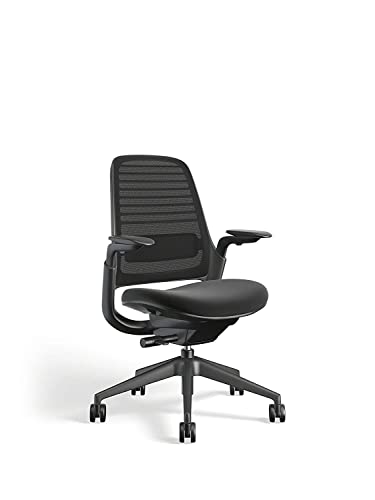
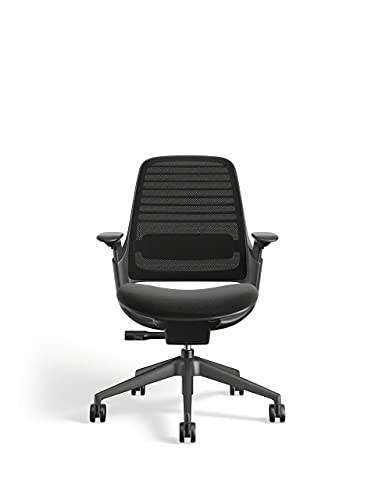
The hallmark of a premium adjustable chair is its ability to provide dynamic support. When evaluating Steelcase models, look closely at the 'LiveBack' technology or similar structural features. Unlike standard office chairs that use a simple tension spring, high-end Steelcase designs often feature a backrest that mimics the natural curvature of the spine, adjusting its shape as you lean back or shift laterally. You should prioritize chairs that offer independent adjustment for lumbar tension, as a one-size-fits-all lumbar support is rarely effective for diverse body types.
Seat Pan Dynamics and Depth Adjustment
One of the most overlooked factors in chair selection is seat pan depth. A seat that is too deep will press against the back of your knees, restricting circulation, while a seat that is too shallow fails to support your thighs, leading to hip fatigue. Look for models that feature a sliding seat pan. Additionally, consider the edge of the seat. A 'waterfall' design, where the front edge curves downward, is essential for maintaining healthy blood flow to the lower extremities during long periods of seated work.
Armrest Versatility: 4D vs. Basic
In a high-performance workspace, your arms should be supported in a way that prevents shoulder strain and carpal tunnel issues. Do not settle for basic height-adjustable arms if your work involves heavy typing or frequent mouse movement. Instead, seek out '4D' armrests. These allow for height, width, depth, and pivot adjustments. The ability to pivot the armrests inward is particularly crucial for those who work on mobile devices or narrow keyboards, as it keeps the elbows tucked close to the torso, preventing 'winging' of the shoulders.
Material Selection: Textile vs. Mesh
Steelcase offers a variety of upholstery options that significantly impact thermal comfort. Fabric-based seats and backs are generally preferred for those who desire a soft, cushioned feel and a more traditional office aesthetic. However, if you tend to run warm or work in a climate-controlled environment that lacks airflow, look for models utilizing high-performance mesh. Mesh provides superior breathability and distributes weight more evenly, though it offers a different tactile experience than traditional foam-and-fabric constructions.
Decision Logic: How to Choose
To make your final decision, categorize your primary work activity. If your role involves frequent task-switching and movement, prioritize a chair with high kinetic flexibility and a wide range of tilt tension adjustments. If you are a deep-focus worker who spends hours in a fixed position, prioritize seat cushion density and advanced lumbar precision. Always consider the 'recline tension'—the chair should feel like it is supporting your weight rather than you are fighting against a heavy spring to lean back. A well-chosen Steelcase chair is not just a piece of furniture. It is a tool for productivity that should be judged by how little you feel it while working.