Identify Your Riding Discipline
The first step in choosing a Troy Lee Designs helmet is determining exactly where you spend your time on the trails. The brand categorizes its protection based on the intensity of the environment. If you primarily ride cross-country or light trail sessions, you will want a lightweight, highly ventilated helmet that prioritizes airflow to keep you cool during long climbs. However, if your focus shifts to Enduro or All-Mountain riding, you should look for a 'half-shell' design that offers extended coverage at the temples and rear of the head, often featuring a visor to shield against sun and low-hanging branches. For the hardcore downhill racer or gravity enthusiast, a full-face helmet is non-negotiable. These models provide maximum facial protection and are built to withstand the high-velocity impacts common in bike park environments.
Ventilation vs. Protection Trade-offs
In the world of helmet design, there is an inherent tug-of-war between airflow and coverage. A helmet with massive vents will keep your head cool during a grueling ascent, but those gaps in the EPS foam can leave certain areas of the skull more exposed. Troy Lee Designs excels at optimizing this balance through sophisticated internal channeling. When shopping, look at the internal structure. High-quality helmets use deep channels to pull air across the scalp even at lower speeds. If you are riding in hot, humid climates, prioritize vent count. If you are riding in technical, rocky terrain where crashes are more likely, prioritize the density of the protective shell and the amount of coverage provided around the jaw and occipital bone.
Advanced Impact Technology
Safety is not just about the thickness of the foam. Modern Troy Lee Designs helmets often incorporate rotational impact protection. Traditional helmets are designed to protect against direct linear impacts, but many cycling accidents involve angled hits that cause the brain to rotate within the skull. Look for helmets equipped with specialized slip-plane systems or integrated foam technologies designed to mitigate these rotational forces. This technology acts as a secondary layer of defense, absorbing energy that would otherwise be transferred directly to your head. Always ensure the helmet meets current safety certifications for your specific discipline, whether that is CPSC for general cycling or ASTM F1952 for downhill-specific full-face protection.
Fit, Weight, and Retention Systems
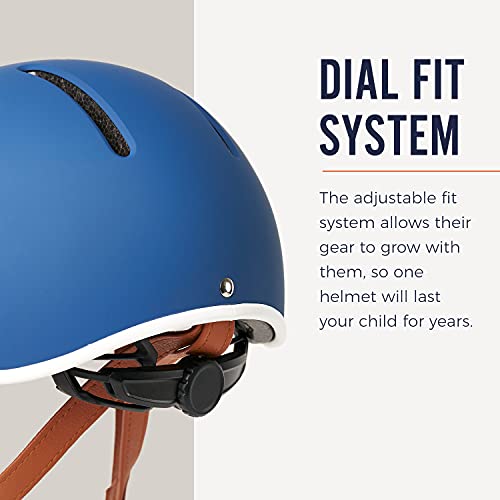
A helmet that is safe on paper is useless if it shifts during a descent. A proper fit should feel snug but not restrictive. Pay close attention to the retention system—the dial or cradle at the back of the helmet. A high-quality micro-adjustment dial allows you to fine-tune the tension to your specific head shape, preventing the helmet from wobbling. Additionally, consider the weight. While a heavier helmet often implies more protection, a helmet that is too heavy can cause neck fatigue during long rides. Troy Lee Designs typically uses high-density EPS and polycarbonate shells to keep weight manageable without sacrificing structural integrity. Test the weight and the ease of the buckle system. You want a helmet you can secure quickly and confidently, even while wearing gloves.