Understanding Draw Weight and Progression
The most critical decision you will make when selecting a recurve bow is determining the correct draw weight. This is measured in pounds (lbs) and represents the amount of force required to pull the string back to your full draw length. A common mistake among novice archers is purchasing a bow with a draw weight that is too high. While it may be tempting to aim for high power, an excessive weight leads to poor form, muscle fatigue, and a higher risk of injury. Instead, look for a bow that allows you to maintain a steady hold and execute a clean release. As your muscle memory and back tension improve, you can transition to heavier weights. Ideally, you want a bow that allows for high-volume practice without immediate exhaustion.
Riser Material and Structural Integrity
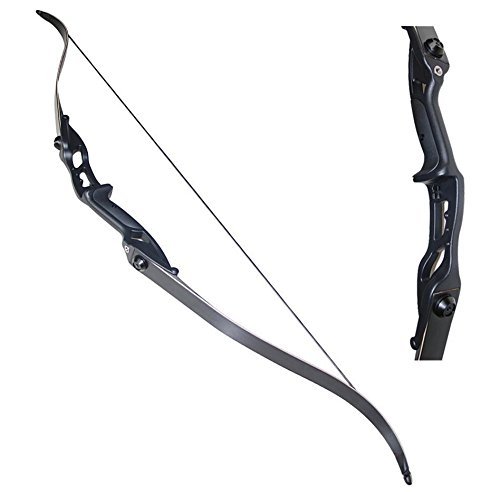
The riser is the central handle of the bow, and it serves as the backbone of your stability. In the recurve category, you will typically find risers made from wood, aluminum, or composite materials. Wooden risers are often preferred for their classic aesthetic and lightweight feel, making them excellent for casual target practice. However, if you are looking for more precision and durability, an aluminum riser offers superior rigidity, which minimizes twisting during the shot. A rigid riser ensures that the energy from the limbs is directed straight into the arrow rather than being lost to vibration or flex. Pay close attention to the grip design. An ergonomic riser that fits the contour of your hand will significantly reduce hand cramping during long sessions.
Limb Construction and Energy Transfer
The limbs are the engine of the bow. They store the potential energy when drawn and release it to propel the arrow. When evaluating recurve bows, consider the material composition of the limbs. Laminate limbs, which combine layers of wood with fiberglass or carbon fiber, provide a much smoother draw and faster arrow speeds compared to simple wooden limbs. Carbon fiber reinforcements are particularly beneficial as they offer high resistance to temperature changes and humidity, ensuring your bow performs consistently whether you are in a climate-controlled indoor range or an outdoor field. A smoother limb profile also results in less 'hand shock,' the jarring vibration felt upon release, which helps in maintaining long-term joint health.
Take-down vs. One-Piece Designs
You must decide between a traditional one-piece bow and a take-down model. A one-piece bow is often more robust and can be more affordable, but it is difficult to transport. Take-down recurve bows allow you to detach the limbs from the riser, making them highly portable for travel or storage. More importantly, take-down bows offer scalability. If you find that you have outgrown your current draw weight, you can often purchase new limbs and attach them to your existing riser, saving you the cost of buying an entirely new setup. This modularity makes take-down bows a much smarter long-term investment for growing archers.
Essential Accessories and Compatibility
Finally, remember that a bow is only one part of the system. Ensure that the bow you select is compatible with standard accessories such as arrow rests, plungers, and sight attachments. If you are opting for a recurve bow intended for target archery, look for a riser with threaded holes that allow for the mounting of stabilizers and sights. For those interested in traditional field archery, a simpler setup might suffice, but always ensure the string material is high-quality Dacron or similar synthetic to prevent excessive stretching and ensure a consistent shot.