#TOP1
Selecting architectural materials is a high-stakes decision that bridges the gap between aesthetic vision and structural reality. Unlike consumer goods, architectural components—ranging from cladding systems and glazing to structural finishes and insulation—are permanent investments that dictate a building's lifecycle, energy efficiency, and maintenance burden. A well-chosen material does more than just look good in a render. It responds to thermal loads, resists environmental degradation, and integrates seamlessly with the local building code. This guide is designed to help architects, developers, and high-end renovators navigate the complex intersection of materiality, durability, and performance.
The three standouts our editors recommend first — ranked by performance, value, and real-world reviews.


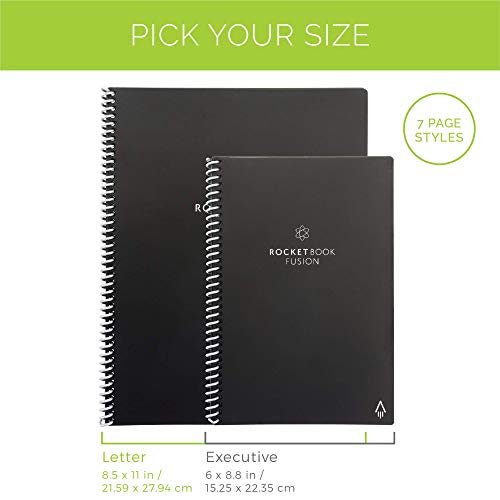


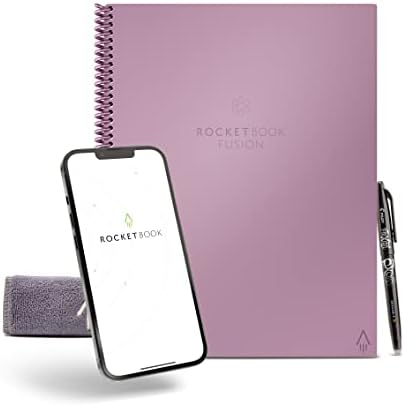
Rocketbook Smart Reusable Notebook, Fusion Letter Size Spiral Notebook & Planner, Pink, (8.5" x 11")
| SELLER | SELLER SCORE | AMAZON FULFILLED | PRIME | FREE SHIPPING |
|---|---|---|---|---|
| No | No | No |
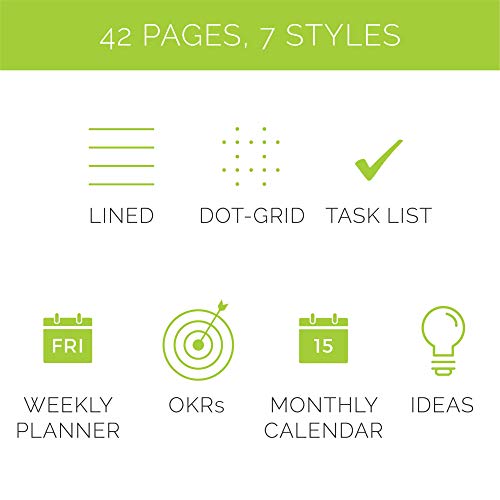
After weeks of use, the friction between traditional handwriting and digital organization finally vanished thanks to this smart notebook. The Rocketbook Fusion is a powerhouse for anyone juggling multiple roles, offering seven distinct page types that transition seamlessly from daily task lists to monthly budget planning. I found the workflow incredibly intuitive: write with the included Pilot Frixion pen, wait a few seconds for the ink to bond to the polyester composite paper, and scan everything instantly via the app. Once your notes are safely synced to services like Google Drive or iCloud, a quick wipe with the microfiber cloth leaves the pages pristine for your next big idea. It effectively bridges the gap between the tactile feel of a spiral planner and the necessity of a cloud-based workflow.
| SELLER | SELLER SCORE | AMAZON FULFILLED | PRIME | FREE SHIPPING |
|---|---|---|---|---|
| Mr. Pen | 9.98 | Yes | Yes | Yes |

| SELLER | SELLER SCORE | AMAZON FULFILLED | PRIME | FREE SHIPPING |
|---|---|---|---|---|
| Greenpine_Books | 9.89 | No | No | No |


| SELLER | SELLER SCORE | AMAZON FULFILLED | PRIME | FREE SHIPPING |
|---|---|---|---|---|
| 8 trax media | 9.91 | No | No | No |


| SELLER | SELLER SCORE | AMAZON FULFILLED | PRIME | FREE SHIPPING |
|---|---|---|---|---|
| ThriftBooks-Phoenix | 9.89 | No | No | No |


Koala Tools - 40-Sheet Sketch Pad for 1-Point Perspective Drawing, Spiral Bound Gridded Graph Paper for Interior Room Design, Industrial, Architectura...
| SELLER | SELLER SCORE | AMAZON FULFILLED | PRIME | FREE SHIPPING |
|---|---|---|---|---|
| Koala Tools (US) | 9.85 | Yes | Yes | Yes |
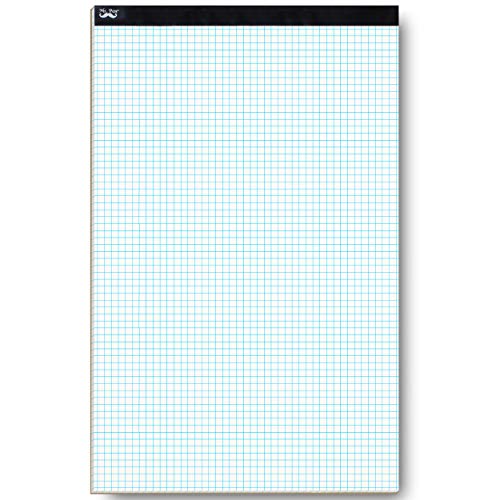
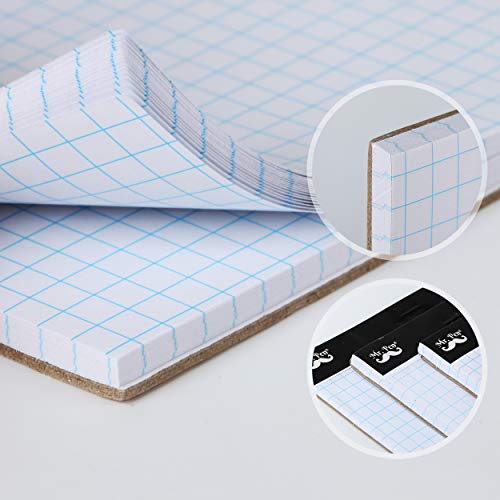
The Koala Tools 40-Sheet Sketch Pad solves the hardest part of architectural drafting by providing precise, pre-printed 1-point perspective grids. I found that the teal-colored guidelines are a total game-changer. They are thin and non-intrusive, meaning they don't clutter your final piece but provide enough structure to build realistic, 3D proportional scenes. The 80 lb artist-quality paper feels incredibly sturdy, handling heavy erasing and high-pressure drafting without tearing or pilling. Because the sheets are micro-perforated and backed by a rigid chipboard, you can tear out a finished design cleanly without worrying about the rest of the pad bending. It is a professional-grade tool that makes complex interior and industrial design feel much more intuitive.


| SELLER | SELLER SCORE | AMAZON FULFILLED | PRIME | FREE SHIPPING |
|---|---|---|---|---|
| Jwhaddle | 5.79 | Yes | Yes | Yes |

| SELLER | SELLER SCORE | AMAZON FULFILLED | PRIME | FREE SHIPPING |
|---|---|---|---|---|
| Bahamut Media | 9.56 | No | No | No |

Architectural Model Building: Tools, Techniques, and Materials
| SELLER | SELLER SCORE | AMAZON FULFILLED | PRIME | FREE SHIPPING |
|---|---|---|---|---|
| Amazon.com | 9.68 | Yes | Yes | Yes |
The smell of fresh adhesive and the tactile precision of a well-cut foam board are the unspoken languages of a successful studio session. This guide from Fairchild Books serves as an essential lexicon for anyone trying to master those very sensations. Instead of just offering vague theory, it dives deep into the specific tools and technical material applications required to bring a conceptual design into the physical realm. Whether you are a student struggling with scale or a professional refining your fabrication process, the text bridges the gap between a digital render and a tangible structure. It is a substantial resource that justifies its price point by acting as a long-term reference manual for the drafting table.

The Ecologies of the Building Envelope: A Material History and Theory of Architectural Surfaces
| SELLER | SELLER SCORE | AMAZON FULFILLED | PRIME | FREE SHIPPING |
|---|---|---|---|---|
| Amazon.com | 9.68 | Yes | Yes | Yes |
Can we truly understand modern architecture without deconstructing the very skin that holds our structures together? The Ecologies of the Building Envelope moves far beyond simple construction manuals to offer a profound investigation into the material history and theoretical framework of architectural surfaces. Actar has curated a work that treats the building envelope not just as a physical barrier, but as a complex, living system. It bridges the gap between historical material usage and contemporary ecological theory, making it an essential addition to any professional library or academic study. Instead of dry technical data, you get a deep dive into how surfaces interact with their environments, providing a much-needed perspective for designers looking to balance aesthetics with environmental responsibility.

| SELLER | SELLER SCORE | AMAZON FULFILLED | PRIME | FREE SHIPPING |
|---|---|---|---|---|
| Amazon.com | 9.68 | Yes | Yes | Yes |

| SELLER | SELLER SCORE | AMAZON FULFILLED | PRIME | FREE SHIPPING |
|---|---|---|---|---|
| Better World Books: North | 9.79 | No | No | No |


Get Your House Right: Architectural Elements to Use & Avoid
| SELLER | SELLER SCORE | AMAZON FULFILLED | PRIME | FREE SHIPPING |
|---|---|---|---|---|
| Amazon.com | 9.68 | Yes | Yes | Yes |
Sterling’s architectural guide is a definitive resource for anyone looking to master the nuances of home design. This book serves as a practical roadmap, helping you navigate the complex world of structural aesthetics by teaching you exactly which elements to embrace and which to steer clear of. Because this is a used copy in good condition, you get high-level design expertise without the premium price tag of a brand-new hardcover. It feels like having a seasoned consultant sitting across from you at a drafting table, guiding your eye toward cohesive, intentional living spaces. Whether you are planning a renovation or just refining your eye for detail, this guide provides the essential foundation needed to get your house right.




Matter in the Floating World: Conversations with Leading Japanese Architects and Designers
| SELLER | SELLER SCORE | AMAZON FULFILLED | PRIME | FREE SHIPPING |
|---|---|---|---|---|
| books_from_california | 9.89 | No | No | No |
Matter in the Floating World: Conversations with Leading Japanese Architects and Designers offers an unparalleled deep dive into the philosophical and structural essence of Japanese design. This volume serves as a vital resource for anyone looking to move beyond surface-level aesthetics and truly understand the intellectual rigor behind modern Japanese architecture. The text provides intimate, high-level dialogues that bridge the gap between theory and practice, making it an essential addition to any professional library or design enthusiast's collection. Because it arrives in mint condition and is handled with guaranteed protective packaging, you can rest assured the pristine quality of the print and binding is preserved. It is a rare find that manages to be both intellectually dense and deeply engaging for the reader.

The first pillar of material selection is performance under stress. You must evaluate how a material reacts to its specific microclimate. For instance, if the project is located in a coastal environment, salt-spray corrosion resistance becomes the primary metric for metal components. In arid climates, UV stability and thermal expansion coefficients are the critical factors to prevent cracking or warping. When reviewing technical data sheets, look beyond the 'aesthetic finish' and scrutinize the lifecycle assessment (LCA). A material that is slightly more expensive upfront but requires zero sealing or painting for twenty years is almost always the more economical choice in the long term.
In modern architecture, the envelope is the most critical component for energy efficiency. When selecting insulation or glazing, you must look closely at R-values (thermal resistance) and U-factors (thermal transmittance). For high-performance builds, consider the thermal bridging potential of the material. A material might have excellent insulating properties, but if it is integrated into a frame that allows heat to escape through conductive paths, its effectiveness is neutralized. Look for materials that offer integrated thermal breaks and low emissivity to ensure the building remains energy-efficient throughout the seasons.
There is often a tension between a 'raw' architectural look and the reality of upkeep. Natural materials like stone, timber, and copper offer unparalleled character but come with inherent aging processes. If the design intent is a pristine, unchanging facade, you must opt for engineered alternatives—such as ultra-high-performance concrete (UHPC) or composite cladding—that mimic natural textures while resisting patina and staining. Always ask: 'How will this material look in ten years of rain and sun?' and 'What specialized cleaning agents will be required to maintain this finish?'
The modern architectural landscape is increasingly defined by the carbon footprint of the materials used. When making your selection, differentiate between 'operational carbon' (energy used to run the building) and 'embodied carbon' (the energy used to extract, manufacture, and transport the material). Prioritize materials that are locally sourced to reduce transport emissions and those that are circular—meaning they are either rapidly renewable or can be easily reclaimed and recycled at the end of the building's life. Selecting materials with Environmental Product Declarations (EPDs) allows for a data-driven approach to green building certification.
Finally, never select a material in a vacuum. Every material must be compatible with the substrate it is being applied to. Chemical reactions between different metals (galvanic corrosion) or moisture retention issues between masonry and wood can lead to catastrophic structural failure. Furthermore, consider the labor market. A highly specialized material that requires rare installation techniques can lead to significant project delays and cost overruns if local contractors lack the necessary expertise. Always verify the installation tolerances and the required precision for the specific system you are choosing.
Quick answers about Architectural Materials before you buy.
Share of top-ranked products by brand, from our editorial analysis.
We've carried out a comprehensive analysis of 572 reviews on Architectural Materials, using our selection criteria to identify the best options in the engineering & transportation. Our findings reveal that most customers typically select Architectural Materials priced around $14.04, with top brands including princeton architectural press, imusti, koala tools, rocketbook, fairchild books, wiley, actar and mr. pen and routledge.
Our team of expert editors reviewed these high-quality items and handpicked the top 14 Architectural Materials for your consideration. We've also done extensive research on numerous sellers, identifying the best ones in the engineering & transportation category — including 8 trax media, jwhaddle, bahamut media, koala tools (us), amazon.com and greenpine_books and mr. pen.
We are dedicated to assisting our users in finding the right architecture Products based on their needs, saving them considerable time when choosing which Architectural Materials to buy. We take pride in the number of satisfied users we've helped through our thorough and insightful reviews.
Compare the top 14 picks at a glance — select a column to sort.