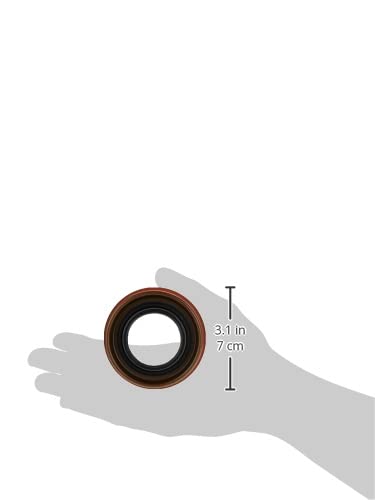
Material Composition and Heat Resistance
The most significant factor in seal longevity is the material used for the lip and the reinforcement ring. Automatic transaxles generate considerable heat during operation, which can cause inferior rubber compounds to harden, crack, or 'set' in a permanent shape. When browsing options, prioritize seals made from high-grade Nitrile (NBR) or Fluorocarbon (FKM/Viton). FKM seals, in particular, offer superior resistance to the high temperatures and chemical additives found in modern synthetic transmission fluids. A seal that maintains its elasticity under thermal cycling will provide a much tighter interface against the shaft, preventing the micro-leaks that often plague lower-quality aftermarket parts.
Seal Profile and Lip Design
Not all seals are created equal in terms of their internal geometry. For GM transaxles, you must pay close attention to the lip design. Look for seals that feature a 'double lip' or a 'dust lip' configuration. The primary lip is responsible for containing the pressurized fluid, while the secondary dust lip prevents contaminants like road grit, moisture, and debris from entering the transaxle. A single-lip seal might stop the leak initially, but it leaves the internal components vulnerable to abrasive particles that can score the shaft and cause the new seal to fail prematurely. Furthermore, ensure the seal includes a robust garter spring. This spring provides the constant radial tension required to keep the lip seated against the shaft despite vibrations.
A common mistake in DIY repairs is assuming that a 'GM seal' is a universal fit. Transaxle systems utilize various types of seals for different functions. Input shaft seals must withstand high rotational speeds and constant friction, whereas output seals (often located near the CV axles) must handle heavy torque loads and lateral movement. Case seals or pan seals are typically designed for static pressure rather than rotational contact. When selecting your replacement, verify that the seal is engineered for its specific location within the transaxle assembly. A seal designed for a static housing will fail immediately if installed on a rotating shaft.
Compatibility with Modern Fluid Chemistries
Modern GM vehicles often utilize specialized, low-viscosity synthetic fluids that contain complex friction modifiers. Some older seal designs were intended for thicker, mineral-based fluids and may actually shrink or swell when exposed to modern Dexron-type synthetics. Always check the manufacturer's compatibility notes to ensure the seal material is chemically compatible with the specific fluid your transaxle requires. Using a seal that reacts poorly to your fluid can lead to rapid degradation and a return of the leak within weeks of installation.
Recommendation Logic
If you are performing a routine maintenance task where the seal is being replaced alongside other components, investing in premium Viton-based seals is the most cost-effective long-term strategy. For budget-conscious repairs on older vehicles where the transaxle is nearing the end of its service life, high-quality Nitrile seals are a reliable middle ground. However, avoid 'economy' or unbranded seals that lack detailed material specifications, as the labor cost of a transaxle teardown far outweighs the savings of a cheap part.