Understanding Beam Patterns: Spot vs. Fog
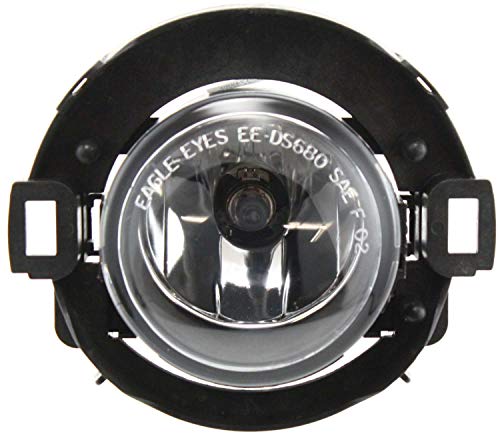
The first critical decision in selecting an Evan Fischer assembly is understanding the intended light distribution. Driving lights and fog lights serve two distinct purposes. Spot light assemblies are designed to project a concentrated, long-distance beam. These are ideal for high-speed driving on dark highways where you need to see far ahead to anticipate obstacles. Fog lights, conversely, are designed with a wider, shorter, and more diffused beam pattern. They are intended to be mounted lower on the vehicle to illuminate the edges of the road and the ground immediately in front of the bumper, effectively 'cutting under' the fog to prevent light from reflecting back into your eyes. Determine whether your primary need is long-range visibility or immediate ground-level illumination before purchasing.
Housing Durability and Weather Sealing
Automotive lighting assemblies are subjected to extreme environmental stressors, including high-speed vibration, road debris, and constant moisture exposure. When evaluating these assemblies, prioritize those with ruggedized housing construction. Look for high-impact polycarbonate lenses that are resistant to stone chips and UV degradation, which can cause yellowing over time. Furthermore, ensure the assembly features a high IP (Ingress Protection) rating. A superior assembly will have integrated gaskets and moisture-proof seals to prevent condensation from forming inside the lens, which can lead to premature bulb failure and electrical shorts.
Compatibility and Installation Complexity
One of the most significant factors in the purchasing process is ensuring the assembly is a direct fit for your specific vehicle make and model. Evan Fischer assemblies are often engineered to mimic OEM (Original Equipment Manufacturer) specifications, which simplifies the installation process. Look for 'plug-and-play' designs that utilize factory mounting points and existing wiring harnesses. If an assembly requires extensive custom wiring, drilling, or bracket fabrication, it may increase the risk of electrical issues or compromise the vehicle's structural integrity. Always verify that the mounting hardware included in the kit is sufficient for the weight and vibration levels your vehicle will encounter.
Light Source Technology: Halogen vs. LED
The technology powering your light assembly will dictate its brightness, longevity, and power consumption. Traditional halogen assemblies offer a warm, yellowish light that is historically effective at cutting through fog, but they consume more energy and generate significant heat. Modern LED-based assemblies provide a much higher lumen output and a crisper, whiter light that mimics daylight. LEDs are significantly more energy-efficient and generally have a much longer operational lifespan. However, when choosing LED assemblies, ensure they are designed with proper thermal management to prevent overheating, which can dim the light output over time.
Final Recommendation Logic
To make the best choice, start by defining your driving environment. If you are a daily commuter on well-lit highways, a high-output spot light assembly will provide the best safety margin. If you frequently drive in coastal or mountainous regions with heavy mist, prioritize a wide-angle fog light assembly. Finally, always weigh the cost of the assembly against its build quality. Spending slightly more on a weather-sealed, high-impact polycarbonate unit will save you from the recurring cost and frustration of replacing cheap, moisture-damaged lights every season.