Understanding Socket Compatibility and Fitment
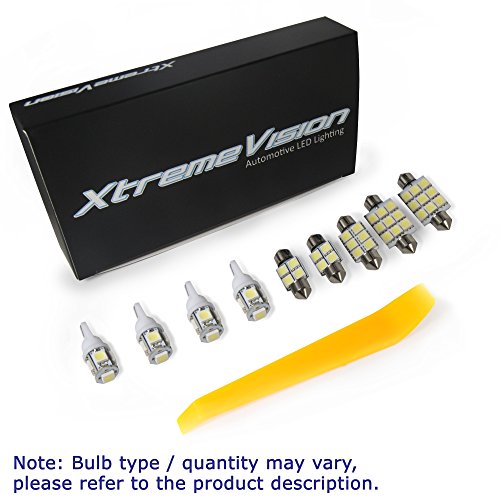
The most critical step in purchasing interior convenience bulbs is ensuring a perfect physical fit. Automotive interior lighting utilizes a wide variety of specialized socket types, including wedge, festoon, and T10 styles. A wedge bulb relies on friction to stay in place, while a festoon bulb is cylindrical and held by spring tension. Before committing to a purchase, you must identify the exact dimensions of your existing bulbs. Even a millimeter of difference can prevent a bulb from seating properly, leading to loose connections or, worse, a bulb that vibrates out of its housing while driving. Always cross-reference your vehicle's manual or inspect the current bulb to confirm the base type and length.
Color Temperature and Visual Comfort
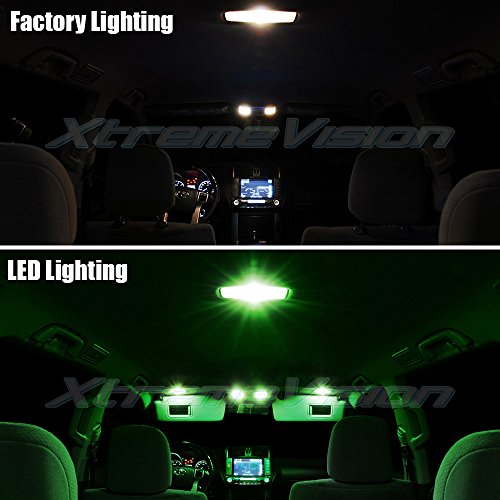
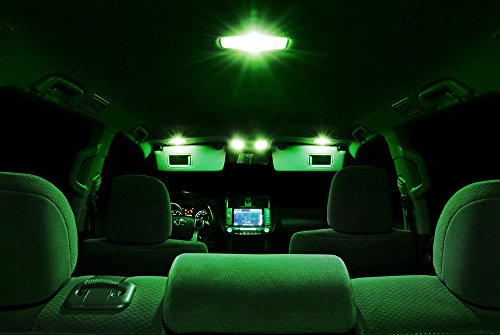
When choosing Xtremevision bulbs, you are essentially choosing the 'mood' of your vehicle. Most convenience bulbs fall into two categories: Warm White and Cool White/Daylight. Warm white bulbs (around 3000K) mimic traditional halogen light, providing a cozy, soft glow that is easy on the eyes during night driving. However, if you want a modern, high-tech look, opt for Cool White or Daylight-balanced bulbs (5000K to 6000K). These provide a crisp, blue-tinted light that significantly improves clarity and makes the interior look much cleaner. Be mindful, however, that extremely high Kelvin ratings can sometimes create a harsh glare on reflective surfaces like chrome trim or polished plastic, so finding a balance is key to a premium feel.
Lumen Output vs. Heat Dissipation
More light isn't always better if it comes at the cost of heat. High-lumen bulbs are excellent for illuminating dark corners like the trunk or the deep recesses of a center console, but they generate thermal energy. Because automotive interior housings are often small, enclosed plastic compartments, excessive heat can cause the plastic to discolor or even melt over time. Look for bulbs that feature advanced thermal management, such as integrated heat sinks or high-efficiency LED chips that provide high brightness with minimal heat output. A well-designed convenience bulb should offer a significant jump in brightness over stock bulbs without making the dashboard feel hot to the touch.
Longevity and Vibration Resistance
Automotive environments are harsh; constant vibrations from the road and temperature fluctuations from the sun can cause cheap bulbs to fail prematurely. When evaluating Xtremevision options, prioritize bulbs designed with solid-state technology. LEDs are inherently more resistant to the mechanical shocks of driving than traditional filament bulbs. Furthermore, look for bulbs that offer a high rated lifespan (measured in hours). A high-quality interior bulb should last as long as the vehicle itself, preventing the frustration of having to disassemble dashboard panels every few months to replace a burnt-out light.
Installation Ease and Plug-and-Play Readiness
The best convenience bulbs are those that require zero modification to your vehicle's wiring. Look for 'Plug-and-Play' designations, which indicate that the bulb is designed to fit directly into the existing housing without the need for adapters or wire stripping. Additionally, some modern vehicles use CANbus systems that monitor bulb wattage; if you switch to a low-draw LED, your car might think the bulb is blown and display an error message. While this is more common in exterior lighting, choosing high-quality, high-output bulbs can help mitigate these electronic discrepancies in more sensitive interior circuits.