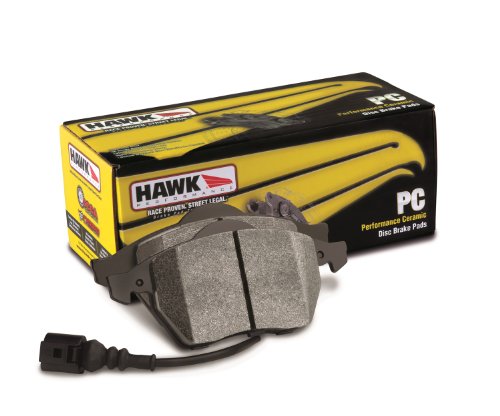
The most significant decision you will face is selecting the base material of the pad. Hawk offers a spectrum of compounds that cater to vastly different driving environments. Ceramic pads are the gold standard for street enthusiasts who prioritize quiet operation and minimal dust. They are excellent at managing heat without warping rotors, making them ideal for heavy commuters. However, if your driving involves high-speed deceleration or frequent heavy braking, you should look toward semi-metallic options. These compounds provide a higher coefficient of friction and superior thermal conductivity, meaning they can dissipate heat more effectively during intense use, though they may produce more brake dust and a slightly higher noise profile.
Matching the Pad to Your Driving Profile
To make an informed purchase, you must categorize your vehicle's primary use case. We recommend a three-tier approach to selection:
- The Daily Commuter: Focus on longevity and cleanliness. Look for compounds that emphasize low dust and high durability. These pads are designed to last through multiple oil changes and provide a consistent, predictable pedal feel in stop-and-go traffic.
- The Performance Street Driver: If you frequently drive on canyon roads or enjoy spirited weekend trips, you need a pad with a wider 'operating window.' This means the brakes won't feel 'mushy' when they get hot, nor will they be ineffective when they are cold.
- The Track or Enthusiast: For those pushing their vehicles to the limit, specialized racing compounds are necessary. These are designed to perform optimally at extreme temperatures that would cause standard street pads to fade or fail entirely.
Thermal Stability and Fade Resistance
One of the primary reasons drivers seek out Hawk products is to combat 'brake fade.' Fade occurs when the kinetic energy of the vehicle is converted into heat so rapidly that the friction material can no longer maintain a grip on the rotor, leading to a dangerous loss of stopping power. When reviewing specifications, pay close attention to the thermal stability ratings. A high-quality replacement pad should maintain a consistent friction coefficient even as temperatures climb. If you notice your pedal feeling softer or your stopping distance increasing during long descents, your current pads likely lack the thermal capacity required for your driving style.
Compatibility and Rotor Synergy
It is a common mistake to choose high-performance pads without considering the condition of your existing rotors. High-friction pads, particularly those in the semi-metallic category, can be more aggressive on rotor surfaces. If you are installing premium Hawk pads, it is highly recommended to inspect your rotors for scoring or thinning. For the best results, pairing high-performance pads with high-quality, matched rotors ensures that the friction surface is even, reducing vibration and preventing 'brake squeal' caused by uneven contact.
Final Recommendation Logic
When making your final selection, do not simply choose the most expensive option. Instead, follow this logic: Identify your highest-stress driving scenario, select a compound that can handle that specific temperature range without fading, and ensure the material is compatible with your daily needs regarding dust and noise. A pad that is too aggressive for a city car will result in constant cleaning, while a pad that is too gentle for a performance car will compromise your safety.