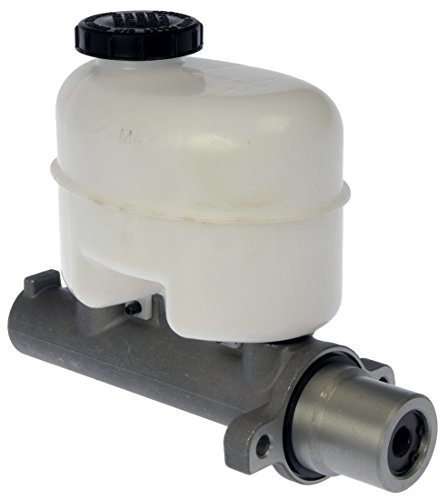
Understanding Material Composition and Durability
When selecting a replacement master cylinder, the construction material is a primary indicator of longevity. High-quality units typically feature cast iron or heavy-duty aluminum housings. Aluminum components offer the advantage of being lightweight and highly resistant to corrosion, which is critical since brake fluid is hygroscopic (it absorbs moisture over time). Look for cylinders that utilize advanced internal seals made from high-grade synthetic elastomers. These seals are designed to withstand the chemical rigors of modern DOT 3, DOT 4, or DOT 5.1 brake fluids without swelling or degrading, which prevents internal leaks that cause pedal creep.
Compatibility and Bore Diameter Precision
One of the most common mistakes in brake repair is selecting a master cylinder with an incorrect bore diameter. The bore size directly dictates the volume of fluid displaced and the resulting hydraulic pressure. Even a millimeter of difference can result in a pedal that feels either too hard or dangerously soft. When shopping for replacements, you must match the bore size precisely to your vehicle's original equipment specifications. Furthermore, ensure the mounting flange pattern and the electrical connector locations (for vehicles with integrated brake fluid level sensors) are identical to your current unit to avoid complex modifications during installation.
Integrated vs. Standalone Units
Modern braking systems often integrate the master cylinder with the ABS (Anti-lock Braking System) modulator or include electronic sensors for brake wear and fluid levels. You must determine if your vehicle requires a standalone master cylinder or a complete assembly that includes the reservoir and integrated electronic components. If your current reservoir is cracked or heavily contaminated with sediment, it is often more cost-effective and safer to purchase a complete assembly rather than attempting to swap the old reservoir onto a new cylinder. A clean, new reservoir ensures that no old debris enters your new hydraulic circuit.
Beyond simple fitment, consider the following factors to ensure you are getting a professional-grade part:
- Seal Technology: Prioritize units that feature multi-lip seals to provide a redundant barrier against fluid bypass.
- Surface Finish: The internal cylinder wall should have a mirror-like, honed finish. This reduces friction against the piston and prevents premature wear of the seals.
- Corrosion Resistance: Check if the unit features specialized coatings on the exterior to prevent rust in regions where road salt is prevalent.
Installation and Maintenance Logic
No matter how high-quality the replacement part is, the longevity of your master cylinder depends heavily on the installation process. Always perform a complete system flush when installing a new unit to ensure no air bubbles or contaminants remain in the lines. Air is compressible, whereas brake fluid is not. Any air trapped in the system will result in a spongy pedal and diminished stopping distance. Regularly inspecting your brake fluid levels and color can also help you catch early signs of seal degradation before a total component failure occurs.