Understanding Kit Composition
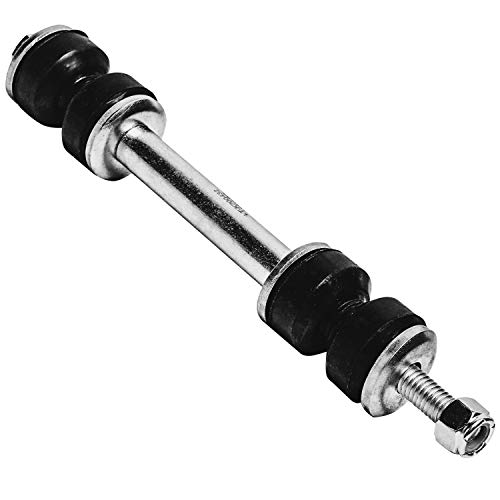
When shopping for a sway bar kit, the first thing to evaluate is what is actually included in the box. A 'kit' can range from a simple set of replacement links to a comprehensive overhaul package. For a complete suspension refresh, look for kits that include the sway bar itself, new bushings, and end links. Replacing the end links alongside the bar is highly recommended because these smaller components are often the primary source of clunking noises. If you are only experiencing minor play, a link-only kit might suffice, but for restoring original handling, a full kit that addresses the entire linkage assembly is the superior choice for long-term reliability.
Material Integrity and Coating
The environment your vehicle operates in should dictate your material preferences. Sway bars are subject to immense torsional stress and constant exposure to road debris, salt, and moisture. High-quality replacement kits utilize heavy-duty steel that has undergone rigorous heat treatment to ensure it maintains its spring rate over thousands of miles. Furthermore, pay close attention to the protective coating. Look for kits that feature powder coating or specialized anti-corrosion finishes. Since the sway bar sits low in the chassis, a superior coating prevents rust from compromising the structural integrity of the bar or causing the bushings to seize against the metal.
One of the most overlooked aspects of a sway bar kit is the quality of the bushings. The bushings act as the interface between the bar and the vehicle frame. If the bushings are made of low-grade, overly soft rubber, they will compress too easily, leading to the very body roll you are trying to fix. Conversely, if they are too rigid, they can transmit excessive vibration into the cabin. Seek out kits that utilize high-density polyurethane or premium vulcanized rubber. These materials provide the necessary dampening to absorb road harshness while remaining stiff enough to maintain the bar's position during aggressive maneuvers.
Fitment and Vehicle Specificity
Suspension components are not universal. Even within the same vehicle year and make, trim levels (such as Sport vs. Base models) may utilize different sway bar diameters or lengths. When selecting a kit, ensure the specifications align perfectly with your vehicle's original equipment. A bar that is too thick may make the ride feel harsh and unyielding, while a bar that is too thin will fail to control body roll. Always verify that the kit is designed for your specific wheelbase and suspension configuration to avoid installation headaches and compromised safety.
Decision Logic: When to Upgrade vs. Replace
If you are a daily commuter looking to restore factory comfort, a direct replacement kit that mimics OEM specifications is your best path. However, if you find yourself driving on winding roads or towing heavy loads, you might look for kits that offer slightly enhanced stiffness. The goal is to find the balance between 'OE-feel' and improved lateral stability. If your current system shows signs of physical bending, cracked bushings, or torn boots on the end links, do not attempt to patch the system with individual parts. Invest in a complete kit to ensure all components wear at the same rate, providing a synchronized response from your suspension.