Evaluate Component Completeness
The primary advantage of purchasing a kit rather than individual parts is the assurance of compatibility and holistic replacement. When browsing kits, you must verify exactly which components are included. A high-quality kit should contain more than just the belt. Look for kits that include the mechanical tensioner, at least one idler pulley, and, if applicable to your specific engine architecture, the water pump. Replacing the water pump during a timing belt service is a strategic move. Since the pump is often driven by the timing belt, it is much more cost-effective to replace it while the engine is already disassembled than to perform a second labor-intensive job a few months later when the pump begins to leak.
Material Quality and Belt Construction
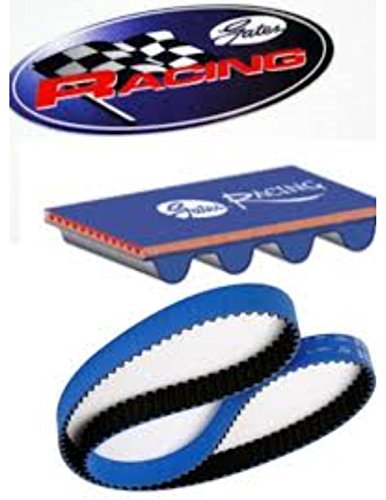
Not all belts are created equal. The longevity of your engine's timing depends on the tensile strength and heat resistance of the belt material. Premium kits typically utilize EPDM (Ethylene Propylene Diene Monomer) rubber. EPDM is superior to older neoprene materials because it offers significantly better resistance to heat, cracking, and environmental degradation. When reviewing kit specifications, look for mentions of reinforced tooth profiles and high-quality fabric backing, which prevent the belt from stretching or slipping under high RPM loads. A belt that maintains its shape under thermal stress is the difference between a long-lasting repair and an early failure.
Tensioner and Pulley Reliability
The belt is only as good as the components that guide and tension it. A common mistake is reusing an old tensioner because it 'seems fine.' However, tensioners use internal springs or hydraulic mechanisms that fatigue over time. If the tensioner fails to maintain constant pressure, the belt will jump teeth, causing the engine to misfire or lose timing entirely. Ensure the kit includes heavy-duty tensioners designed specifically for the load requirements of your engine. Additionally, check that the idler pulleys utilize high-grade bearings. A seized idler pulley can generate enough friction to melt or snap a brand-new belt, rendering the entire service useless.
Engine Compatibility and Interference Considerations
Before finalizing your purchase, confirm that the kit is specifically engineered for your engine's exact displacement and valve configuration. Because timing is measured in fractions of a millimeter, 'universal' fitment is a dangerous concept in this category. Furthermore, be aware of whether your engine is an 'interference' or 'non-interference' design. While the kit itself doesn't change the engine type, knowing this informs how much precision you must apply during installation. For interference engines, the kit's precision is paramount, as any slight deviation in belt tension or pulley alignment can lead to immediate engine damage.
Recommendation Logic
When deciding between different kits, prioritize the 'all-in-one' approach. If you are faced with a choice between a budget kit that only includes the belt and a premium kit that includes the belt, tensioner, and water pump, always opt for the premium kit. The marginal increase in upfront cost is negligible compared to the labor savings of a single installation event and the peace of mind that comes from replacing every moving part in the timing circuit simultaneously.