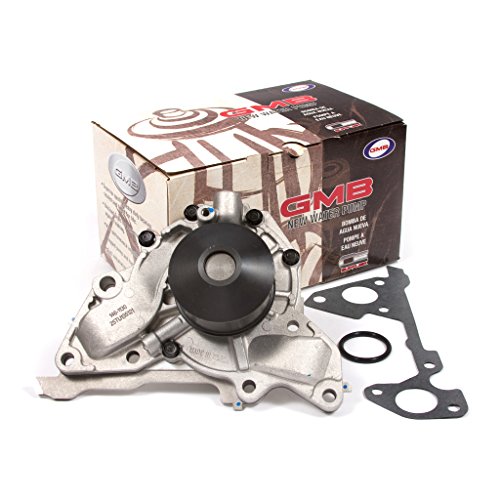
Comprehensive Kit Contents: The 'All-in-One' Advantage
When shopping for timing belt kits, the first decision is whether to buy individual components or a complete kit. For domestic vehicles, we strongly recommend full kits. A complete kit should include the timing belt, a high-quality tensioner, and, most importantly, the water pump. Because the water pump is often driven by the timing belt, replacing it simultaneously prevents a scenario where you have to tear down the entire front end of the engine again in six months because a worn pump began leaking. Look for kits that also include auxiliary belts, seals, and any necessary mounting hardware. A kit that leaves out a single critical seal can stall your entire project.
Material Integrity and Belt Composition
Not all belts are created equal. Domestic engines often operate under high heat and varying load conditions, making material science vital. Look for belts constructed from high-strength EPDM (Ethylene Propylene Diene Monomer) rubber. EPDM is superior to older neoprene materials because it resists cracking, heat degradation, and stretching over long intervals. Furthermore, check the tooth profile of the belt. High-quality kits feature reinforced teeth with high-tensile cords (often aramid or fiberglass) that prevent 'tooth jump,' a common cause of timing misalignment. If a kit does not specify the material composition, it is likely a budget-grade product that may not meet the longevity standards required for modern domestic drivetrains.
Tensioner and Component Reliability
The tensioner is the unsung hero of the timing system. It maintains the precise amount of pressure required to keep the belt from slipping while allowing for thermal expansion. When evaluating kits, prioritize those that include heavy-duty, precision-engineered tensioners. Some kits offer hydraulic tensioners, which provide more consistent pressure than mechanical spring-loaded versions. Additionally, ensure that any included water pumps feature high-quality bearings and mechanical seals. A cheap water pump included in a 'value kit' can become a single point of failure that compromises the entire replacement job.
Compatibility and Fitment Precision
Domestic vehicle engines can have subtle variations based on the production year or specific trim levels. Even within the same engine family, small changes in pulley diameters or bolt patterns can occur. When selecting a kit, verify that it is specifically engineered for your engine's displacement and valve configuration. Precision fitment ensures that the belt tracks perfectly on the pulleys without rubbing against the timing cover or other engine components. Avoid kits that claim 'universal fitment' for timing systems. Timing is an exact science, and you require components manufactured to exact OEM specifications to ensure the engine's timing marks align perfectly during installation.
Recommendation Logic
Our recommendation logic follows a hierarchy of reliability: First, prioritize kits that offer a 'complete service solution' (Belt + Tensioner + Water Pump). Second, prioritize EPDM-based belts over neoprene. Third, choose brands that specialize in engine timing components rather than generalist parts manufacturers. If you are performing a standard interval maintenance, a complete EPDM kit is the gold standard. If you are working on a high-performance or heavy-duty domestic engine, look for kits that feature reinforced aramid cords for maximum durability under high RPMs.