Prioritizing Fabric Composition and Softness
The most critical factor in any baby clothing set is the textile blend. Because an infant's skin is significantly thinner and more prone to irritation than adult skin, you must prioritize natural fibers. Look for sets primarily composed of 100% cotton or high-quality organic cotton blends. Cotton is breathable, which helps regulate a baby's temperature and prevents overheating during sleep or play. Avoid sets that contain high percentages of synthetic polyesters unless they are specifically designed as moisture-wicking layers, as synthetics can trap heat and cause rashes. A soft, brushed finish is a bonus, as it provides an extra layer of tactile comfort for sensitive skin.
Evaluating Ease of Use and Diaper Access
A stylish set is useless if it makes diaper changes a logistical nightmare. When selecting sets, pay close attention to the closure mechanisms. For newborns, snap closures along the inseam or front of the garment are indispensable. For older infants who are more mobile, consider sets that incorporate elastic waistbands or easy-pull necklines. Look for 'envelope necks' or expandable shoulders, which allow you to pull the garment down over the body rather than over the head—a lifesaver during messy diaper blowouts. The best sets balance a polished look with functional hardware that won't snag or irritate the baby's midsection.
Sizing Longevity and Growth Room
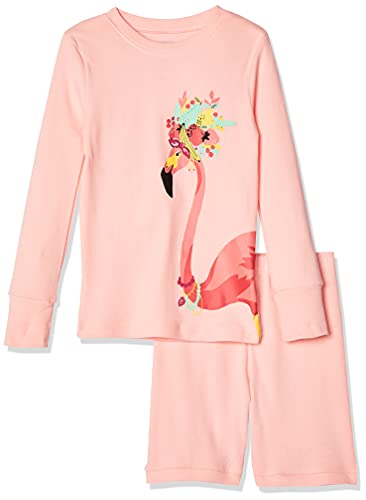
Babies grow at an exponential rate, meaning a set that fits perfectly today might be unwearable in three weeks. When choosing sets, it is often wise to size up slightly, especially if the set includes a long-sleeved top and leggings. Look for designs with ribbed cuffs or elasticized hems. These features allow the garment to stay in place even as the baby's limbs lengthen. Avoid overly structured or rigid sets that lack stretch. A set with a bit of 'give' will accommodate the inevitable growth spurts and provide a more comfortable fit for a chubby tummy or active legs.
Durability and Maintenance Requirements
Baby clothes undergo a brutal lifecycle of spills, spit-ups, and frequent high-temperature laundering. When evaluating a set, consider how the fabric will hold up after twenty washes. Check the quality of the stitching, particularly around the seams and buttonholes. If the stitching looks loose or thin, the set likely won't survive the heavy-duty cycle required for baby laundry. Additionally, opt for colors and patterns that are forgiving. While solid whites are classic, they show every stain. Heathers, soft prints, and mid-tone colors are much more practical for everyday wear and maintain a 'new' look for longer periods.
Occasion vs. Everyday Utility
Finally, decide whether you are shopping for 'play sets' or 'occasion sets.' Everyday sets should be rugged, breathable, and highly washable, focusing on comfort above all else. Occasion sets—such as those featuring heavier knits or more structured silhouettes—are perfect for photoshoots or family gatherings. However, even for special occasions, ensure the set doesn't include scratchy lace or stiff collars that might cause the baby to become fussy. The most versatile sets are those that bridge the gap: comfortable enough for a nap, but coordinated enough for a guest to admire.