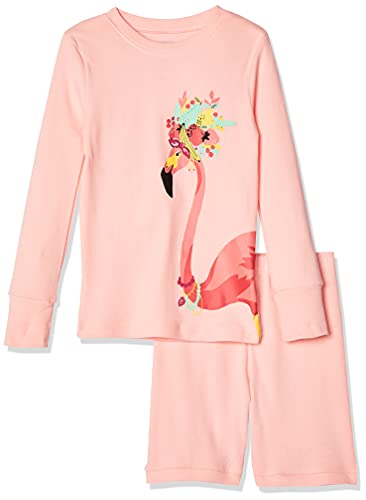
Prioritize Fabric Composition and Skin Sensitivity
A baby's skin is significantly thinner and more absorbent than adult skin, making material choice the most critical factor in any purchase. When browsing sets, look for high percentages of organic cotton or premium cotton blends. Cotton is breathable, moisture-wicking, and allows for natural airflow, which helps prevent overheating—a common issue with infants. Avoid sets that rely heavily on cheap synthetic polyesters, as these can trap heat and cause skin irritation or heat rashes. If you are choosing a set for sleep or lounging, prioritize 'interlock' knits or jersey fabrics, which offer a soft, stretchy texture that moves with the baby without feeling restrictive.
Evaluate Ease of Dressing and Diaper Access
The aesthetic of a clothing set matters far less than how easy it is to get the baby in and out of it. For infant sets, functionality should dictate your choice. Look for bottom pieces that feature elastic waistbands rather than rigid buttons or zippers, as these allow for quick diaper changes. For tops, snap closures at the neckline or shoulder are superior to traditional pullover styles, which can be difficult to maneuver over a newborn's head. If a set includes a romper or a one-piece element, ensure the snaps extend down to the crotch area. This feature is non-negotiable for minimizing the amount of undressing required during routine changes.
Consider Seasonal Versatility and Layering Potential
Smart shopping involves looking beyond the immediate weather. A highly effective strategy is to select sets that can function as individual pieces. For example, a set consisting of a long-sleeved bodysuit and leggings is a powerhouse for seasonal transitions. The bodysuit can be worn alone in warmer months, while the leggings can be paired with different sweaters in the winter. When selecting sets for colder climates, look for 'brushed' cotton or fleece-lined interiors that provide extra thermal insulation. Conversely, for summer sets, prioritize lightweight, single-layer cotton weaves that won't weigh the baby down in humidity.
Size Longevity and Growth Room
Babies grow at an unpredictable rate, and nothing is more frustrating than a beautiful set that becomes unwearable after two weeks. When choosing sets, look for items with a bit of 'give'—specifically ribbed fabrics or high-elastane blends that can stretch to accommodate a growth spurt. If you are buying ahead of a season, it is often wiser to size up slightly. A slightly loose set is comfortable and functional, whereas a set that is too tight can restrict movement and cause discomfort. Always check the specific sizing charts provided for the brand, as 'essential' lines often run true to age rather than actual physical measurements.
Durability and Maintenance Requirements
Baby clothing undergoes a rigorous cycle of constant wear and frequent laundering. To ensure your investment lasts, inspect the seams and stitching. Reinforced seams prevent fraying after multiple trips through the washing machine. Additionally, consider the care instructions. Most parents prefer sets that are machine-washable and dryer-safe. Avoid sets with excessive embellishments like heavy sequins, delicate lace, or glued-on bows, as these tend to degrade or fall off after several washes, turning a cute outfit into a potential choking hazard or a laundry headache.