Prioritize Fabric Composition and Breathability
The most important factor in any baby garment is the textile quality. Because infant skin is significantly thinner and more prone to contact dermatitis than adult skin, you should prioritize natural fibers. 100% cotton is the gold standard for everyday essentials. It is hypoallergenic, highly breathable, and manages moisture effectively during diaper changes or warm weather play. For layering or slightly more structured silhouettes, look for cotton-spandex blends. The addition of a small percentage of elastane provides the necessary stretch to accommodate diaper bulk and allow for easy movement without losing the dress's shape. Avoid heavy synthetics or scratchy polyesters unless they are specifically designed as soft, moisture-wicking athletic wear, as these can trap heat and lead to skin rashes.
Consider Silhouette and Ease of Movement
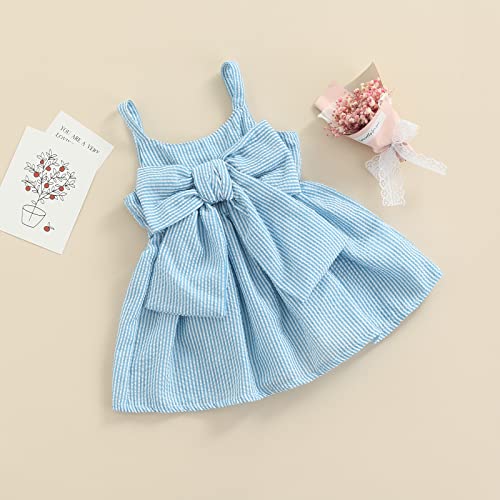
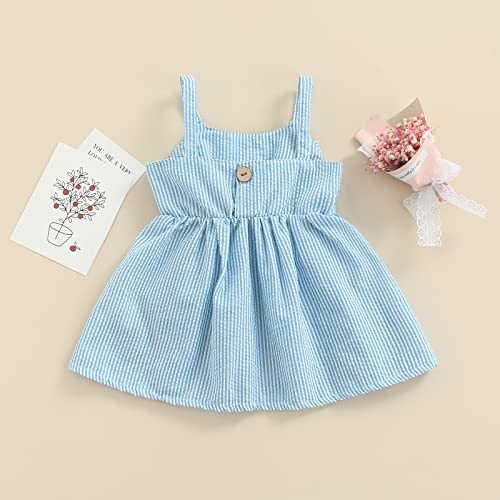
Baby girls are constantly in motion—rolling, crawling, and eventually cruising. A dress that looks beautiful on a hanger might be impractical if it restricts their ability to move. For daily wear, opt for A-line silhouettes or empire waists. These shapes provide ample room around the hips and legs, ensuring that the dress doesn't ride up or feel restrictive during tummy time. If you are purchasing a dress for a special occasion, ensure the skirt has enough volume to allow for easy movement, but avoid excessive ruffles or heavy embellishments near the neckline that might tickle or distract the baby. Sleeveless or short-sleeved designs are generally more versatile for layering under cardigans or jackets as the seasons change.
Functionality: Closures and Diaper Access
One of the most overlooked aspects of baby dresses is how easy they are to put on and take off. Look for designs that incorporate functional closures such as snap buttons at the shoulder or back. This makes dressing significantly faster, especially during those frantic morning routines. Furthermore, consider how the dress interacts with diaper covers or bloomers. Many high-quality essential dresses come with matching diaper covers, which provides a polished look while ensuring the baby remains covered during active play. If a dress is particularly lightweight, a built-in bodysuit or a coordinating bottom is a smart way to ensure comfort and modesty.
Sizing for Growth and Longevity
Infants grow at an astonishing rate, which can make dressing feel like a constant cycle of replacement. When selecting dresses, it is often wise to size up slightly, especially if the fabric is 100% cotton, as it may experience minor shrinkage after the first wash. Look for dresses with adjustable elements, such as elasticized waistbands or tie-shoulders, which allow the garment to grow alongside the child. A dress that fits perfectly today might be too tight by next month. Choosing styles with a bit of 'give' ensures you get more wear out of every purchase. Always check the care instructions to ensure the garment is machine washable, as frequent laundering is inevitable with baby clothing.
Occasion-Based Decision Logic
To build an efficient wardrobe, categorize your selections into 'Everyday Essentials' and 'Special Occasion.' Your everyday rotation should consist of soft, washable cotton dresses in neutral or easy-to-mix colors. These are your workhorses for daycare and home play. Your special occasion selection should be more curated, featuring subtle patterns, soft lace, or floral prints. By maintaining a balance between these two categories, you ensure your baby girl is prepared for any event while maintaining a wardrobe that is practical for the realities of early childhood.