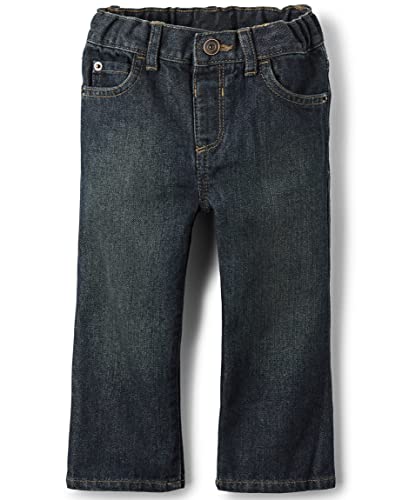
Prioritize Fabric Elasticity and Softness
The biggest mistake parents make when buying fitted jeans is choosing denim that is too rigid. Traditional, heavy-weight denim is often too abrasive for sensitive infant skin and lacks the flexibility needed for movement. For fitted baby girls' jeans, look for 'soft-touch' denim or chambray blends. Ideally, the fabric should contain a percentage of elastane or spandex (typically between 2% and 5%). This provides the 'fitted' aesthetic you desire—clinging gently to the legs without being tight—while allowing the fabric to stretch as the baby moves, crawls, or sits. If the denim feels stiff in the store, it will likely be uncomfortable for a baby who is constantly in motion.
The Critical Importance of the Waistband
Because the goal is a fitted look, the waistband is the most important structural element. For babies and toddlers, a fully fixed waistband is often a recipe for discomfort and difficulty with diaper changes. Instead, seek out 'faux-fly' designs paired with fully elasticized waistbands. This provides the visual appeal of real jeans while offering the ease of an undressed waistband. Look for wide, soft elastic bands that sit flat against the tummy. Thin, narrow elastics can dig into a baby's soft midsection, causing red marks and irritability. A high-rise fit is often preferable for toddlers, as it stays securely in place during active play and provides extra coverage during diaper changes.
Consider Growth Accommodation and Longevity
Fitted clothing can be tricky when it comes to longevity. To get the most value out of your purchase, look for designs that incorporate 'grow-with-me' features. Some high-quality baby jeans include adjustable internal elastic tabs at the waist, allowing you to tighten or loosen the fit as the child grows. Additionally, pay attention to the length. While a tapered, fitted ankle looks adorable, ensure the hem isn't so tight that it restricts circulation or so long that it creates a safety risk. Leggings-style denim (often called jeggings) is an excellent middle ground, offering a slim profile that accommodates growth better than traditional structured denim.
Durability and Easy Maintenance
Let's be realistic: baby jeans will encounter spills, dirt, and frequent washing. When evaluating quality, check the stitching, especially around the inner thighs and the seat. Reinforced stitching ensures the jeans won't rip during crawling or diaper changes. Furthermore, ensure the denim is pre-shrunk. Since fitted clothing relies on precise measurements, a pair of jeans that shrinks significantly in a standard wash cycle will quickly become unwearable. Opt for mid-to-dark washes if you are concerned about staining, as they tend to hide small marks better than light-wash or bleached denim styles.