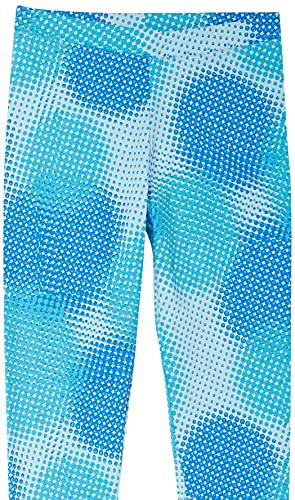
Prioritize Fabric Composition and Softness
The most critical factor in selecting baby leggings is the textile blend. Because a baby's skin is significantly thinner and more sensitive than an adult's, you must look for materials that prioritize breathability and tactile softness. Cotton-rich blends are generally the gold standard for daily wear. Cotton provides natural breathability, which helps regulate temperature and prevents overheating. However, 100% cotton lacks the 'snap-back' quality needed to stay in place. Therefore, look for blends that incorporate a small percentage of elastane or spandex. This ensures the leggings stretch easily over diaper bulk but tighten back up around the ankles and waist to prevent them from sliding down during movement.
Consider the Waistband Construction
A baby's comfort is often determined by what is happening at the waistline. For baby girls, you want to avoid anything with restrictive, heavy, or overly thick elastic bands that can dig into the tummy, especially during diaper changes or while sitting. Look for 'soft-roll' waistbands or encased elastic. An encased waistband—where the elastic is sewn inside a fabric tunnel—is superior because it prevents the raw elastic from directly touching the skin, reducing the risk of red marks and irritation. If you are choosing leggings for a toddler who is actively running and climbing, a slightly firmer waistband may be necessary to keep the garment positioned correctly.
Assess Durability and Ease of Maintenance
Let's be realistic: baby clothes face a rigorous lifecycle of spills, stains, and frequent laundering. When evaluating leggings, consider how well the fabric holds up to high-temperature washes. Synthetic blends that include polyester often dry faster and resist shrinking better than pure cotton, but they may lack the same level of breathability. A high-quality legging should maintain its opacity even when stretched. If you can see through the fabric when pulling it over a knee, it will likely pill or thin out quickly. Check the stitching at the seams—reinforced flatlock seams are ideal as they lie flat against the skin to prevent chafing while providing extra strength against the constant tugging of active babies.
Sizing for Diaper Bulk and Growth Spurts
Standard sizing can be deceptive when dealing with infants. The primary challenge with baby leggings is accommodating the volume of a diaper. If the leggings are too tight in the seat, they will pull down at the waist, causing discomfort and constant readjustment. We recommend looking for styles that offer a bit of extra room in the hip and crotch area. Additionally, consider the length. For younger infants, slightly longer legs can be beneficial as they allow for growth, whereas for toddlers, you want to ensure the cuffs don't trip them up during walking. If you are between sizes, always size up. The extra fabric is easier to manage than a garment that is too tight to be comfortable.