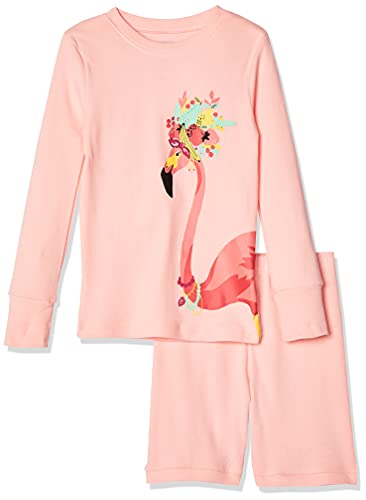
Prioritizing Fabric Composition and Breathability
The most critical factor in selecting baby pajamas is the material. Babies have much more sensitive skin than adults and are highly susceptible to overheating. Look for sets crafted from 100% cotton or organic cotton blends. Cotton is naturally breathable and moisture-wicking, which helps prevent heat rashes and keeps the skin dry. If you live in a warmer climate, lightweight jersey cotton is ideal. For colder months, look for brushed cotton or soft fleece-like textures that provide thermal insulation without being overly bulky. Avoid synthetic fabrics like heavy polyester unless they are specifically engineered for moisture management, as these can trap heat and lead to discomfort during the night.
Safety Standards and Closure Mechanisms
Safety should always take precedence over style. When evaluating pajama sets, pay close attention to the closures. For infants, zipper closures are often preferred over snaps because they are much faster to use during middle-of-the-night diaper changes. However, ensure that any zipper features a protective fabric guard at the top to prevent the metal or plastic from irritating the baby's chin or neck. If you opt for button or snap-front sets, check that the fasteners are securely attached to prevent choking hazards. Additionally, ensure the fit is neither too tight (which can restrict circulation) nor too loose (which could pose an entanglement risk).
Sizing for Growth and Comfort
Babies grow at an incredible rate, which can make pajama shopping a frustrating game of catch-up. When selecting sets, consider 'room to grow' as a key metric. A slightly looser fit is generally safer and more comfortable than a snug fit. Look for sets with ribbed cuffs at the wrists and ankles. These help keep the sleeves and pant legs in place even if the garment is a little long. If a set features an adjustable waistband or an elasticated waist, it will provide more longevity as the baby moves from newborn to crawling stages. It is often worth buying one size up for seasonal transitions to ensure the garment remains useful for more than a few weeks.
Durability and Ease of Maintenance
Baby pajamas undergo frequent, high-temperature washing to ensure hygiene. This means the fabric and the prints must be resilient. Look for sets where the patterns are printed directly into the fabric rather than being thick, rubberized decals, which are prone to cracking and peeling after a few washes. High-quality stitching around the seams is also a sign of a durable set. A well-constructed pajama set will maintain its shape and softness even after dozens of cycles in the laundry, whereas cheaper alternatives may pill, shrink excessively, or lose their elasticity.
Design and Versatility
While the primary goal is sleep, many parents use these sets as 'daytime loungewear.' Selecting versatile patterns—such as soft florals, subtle stripes, or solid pastels—allows the pajamas to transition easily from the crib to the living room. If you are purchasing for a gift, neutral colors or classic prints are often safer bets, as they appeal to a wider range of tastes and are easier to mix and match with other infant clothing.