Prioritize Fabric Softness and Lining
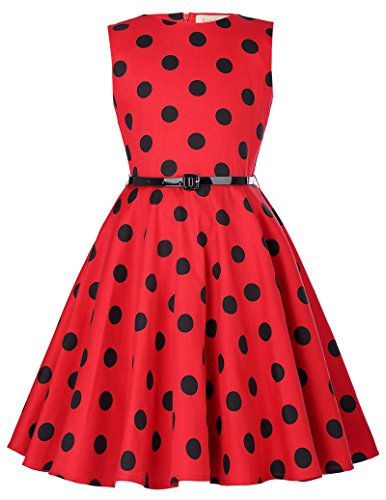
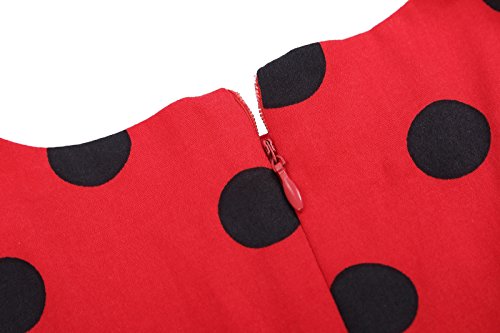
The most common mistake when purchasing formal dresses for babies is prioritizing visual sparkle over tactile comfort. Many high-glamour dresses utilize tulle, sequins, or metallic embroidery to achieve that 'special occasion' look. While these elements are stunning in photographs, they can be scratchy against a baby's sensitive skin. When browsing Grace Karin collections, always look for dresses that feature a soft cotton or jersey lining. A high-quality lining acts as a barrier between the decorative outer shell and the child, preventing redness and irritation. If a dress features heavy lace, ensure the lace is soft-edged and not stiffened with harsh synthetic resins.
Consider Silhouette and Movement
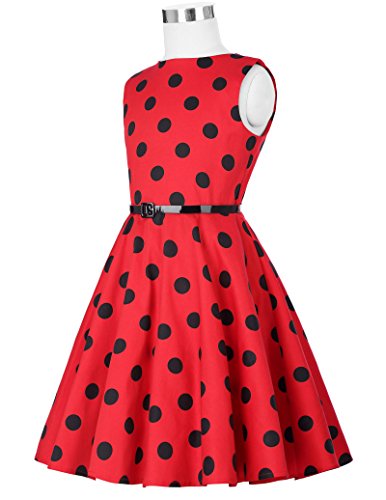
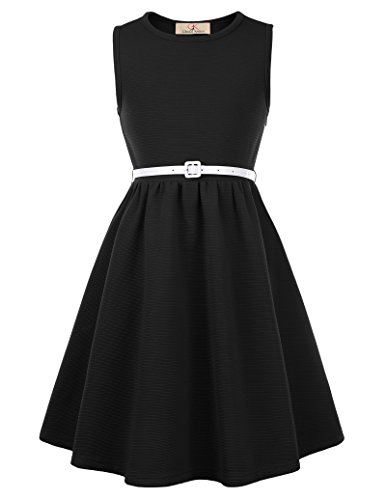
Special occasion dresses typically fall into two categories: the structured ballgown and the flowing A-line. For babies who are just beginning to crawl or take their first steps, an overly voluminous tulle skirt can be a tripping hazard. Look for 'tutu-style' dresses that provide plenty of lift and bounce without excessive weight. If the event involves a lot of sitting—such as a long wedding ceremony—an A-line silhouette with a smoother skirt will be much more manageable than a heavy, multi-layered petticoat. Pay attention to the waistline. An empire waist is often more forgiving and comfortable for toddlers than a tight, cinched waistline.
Seasonal Fabric Selection
The weight of the dress should correspond directly to the climate of your event. For spring and summer celebrations, seek out lightweight organza, chiffon, or breathable cotton blends that allow for airflow. These fabrics catch the light beautifully without causing the child to overheat. Conversely, for winter holidays or autumn weddings, look for richer textures like velvet or heavier satin-finish fabrics. These provide a sense of luxury and help retain body heat during outdoor photo sessions. Always check if the dress is part of a coordinated set that includes matching boleros or cardigans, which can extend the life of the garment across different seasons.
Sizing for Longevity and Comfort
Children grow at an unpredictable rate, especially during the first two years. When selecting a formal dress, it is often wise to size up slightly rather than opting for a skin-tight fit. A dress that is too tight can restrict deep breathing and movement, leading to fussiness. Look for design elements that offer some flexibility, such as smocked bodices or elasticized back panels. Smocking is particularly beneficial as it expands with the child's movement while maintaining a polished, traditional appearance. Always verify the measurements of the bodice and the length of the skirt to ensure the hemline doesn't interfere with the child's ability to walk safely.
Maintenance and Durability
Special occasion dresses are often worn only once or twice, but they are frequently passed down as keepsakes or handed to siblings. Because many of these dresses feature delicate embellishments like pearls, bows, or intricate embroidery, hand-washing is often the safest route. Before purchasing, consider how much effort you are willing to put into garment care. If you need something more durable, look for styles where the embellishments are sewn deeply into the fabric rather than glued, as this ensures they won't fall off during a celebratory hug or a quick wash.