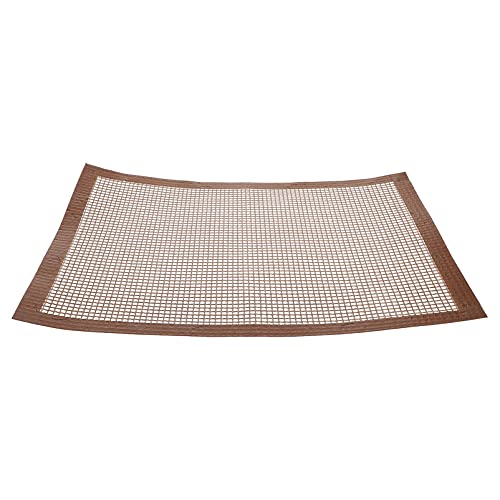
Material Composition and Coating Quality
The core of a high-quality baking mat is typically a fiberglass mesh coated with food-grade silicone. When evaluating mats, look for a dense, tight weave in the fiberglass. A loose weave can lead to warping under high heat or allow small amounts of oil to seep through. The silicone coating is the most critical factor for non-stick performance. Premium mats feature a thick, even application of silicone on both sides, which prevents sticking even when working with high-sugar doughs or honey-based glazes. Avoid mats that feel overly thin or flimsy, as these often lack the thermal mass required to provide even heat distribution.
Size and Compatibility
Before purchasing, you must measure your standard baking sheets. Most generic mats are designed to fit half-sheet pans, but they come in various dimensions. Some are designed to be slightly smaller than the pan to prevent the edges from curling, while others are intended to cover the entire surface. If you frequently bake large batches of cookies or sheet cakes, a set that includes both half-sheet and quarter-sheet sizes offers the best versatility. If you use specialized equipment like round cake pans or tart tins, consider whether you need a mat that can be trimmed with kitchen shears, though a pre-cut, purpose-built mat is always superior for maintaining structural integrity.
Heat Resistance and Thermal Conductivity
A reliable baking mat should be able to withstand temperatures ranging from freezing (for chilling dough) to at least 450°F (230°C) for high-heat roasting or baking. However, heat resistance is only half the battle. Thermal conductivity is the other. A good mat should distribute heat evenly across the surface to prevent 'hot spots' that burn the center of your pastries while leaving the edges undercooked. If you are a baker who focuses on convection ovens, ensure the mat is thin enough to allow air circulation but thick enough to regulate the direct heat from the heating elements.
Durability and Maintenance
One of the primary reasons to invest in reusable mats is their longevity. High-quality mats should be able to endure hundreds of uses without the silicone peeling or the fiberglass becoming exposed. When shopping, look for descriptions that emphasize 'heavy-duty' construction. Regarding maintenance, most mats are dishwasher safe, but hand-washing with a soft sponge is generally recommended to extend their lifespan. Avoid using abrasive scouring pads or metal utensils on the surface, as scratching the silicone will immediately compromise the non-stick properties and lead to food sticking.
Decision Logic: Which Mat is Right for You?
To make your final selection, categorize your baking style. If you are a casual baker who mostly makes cookies and rolls, a standard set of heavy-duty silicone mats is sufficient. If you are a precision baker focusing on French pastry or macarons, prioritize mats with a very smooth, high-grade silicone finish to ensure a flawless base. For those who use their mats for more than just baking—such as rolling out dough or tempering chocolate—look for mats that are specifically marketed as 'multi-purpose' or 'workstation' mats, which often feature thicker profiles for better stability.