Understanding Flavor Profiles: Sweet, Savory, and Spicy
The first step in selecting a barbecue seasoning is identifying the 'base note' of your desired dish. Most seasonings in this category fall into one of three distinct camps. First, there are the sugar-forward blends. These often feature brown sugar or molasses as a primary ingredient, which creates a beautiful, caramelized crust (often called a 'bark') on meats like pork ribs or chicken thighs. These are excellent for low-and-slow cooking where the sugars can slowly melt into the protein.
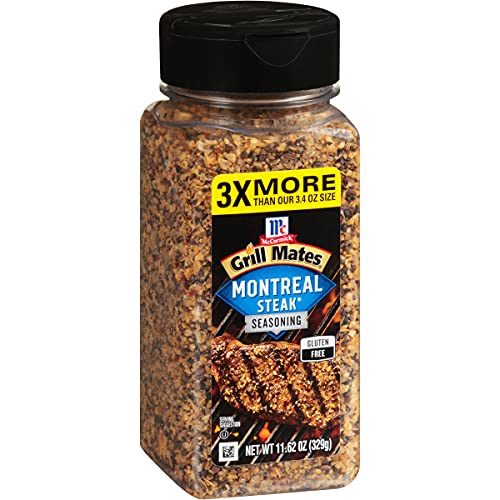
Second, you will find the savory and umami-heavy blends. These rely on garlic, onion, and pepper to enhance the natural juices of the meat rather than masking them with sweetness. These are the go-to choices for beef steaks, burgers, and lamb, where you want to accentuate the iron-rich flavor of the red meat.
Third, there are the heat-centric blends. These utilize cayenne, chili powder, or crushed red pepper to provide a lingering warmth. If you are looking to challenge your palate or complement a creamy side dish like coleslaw, a spicy seasoning is your best bet.
Consider the Heat Application
Not all seasonings are created equal when it comes to temperature. When choosing a blend, consider your cooking method. If you are using a high-heat charcoal grill or a searing cast-iron skillet, be cautious with seasonings that have high sugar content. Excessive sugar can burn quickly, turning bitter and black before the meat is cooked through. For high-heat searing, look for rubs that emphasize salt, pepper, and dried herbs.
Conversely, if you are using a smoker or an oven for slow roasting, you have much more freedom to use rubs with heavy molasses or honey components. The long cook time allows these sugars to undergo the Maillard reaction gradually, resulting in a deep, dark, and flavorful exterior.
Salt Content and Ingredient Transparency
A critical factor in your decision should be the salt concentration. Many barbecue rubs use salt as a primary carrier for other flavors. If you are using a seasoning that is very high in sodium, you must adjust your cooking process accordingly—do not salt the meat separately before applying the rub, or you risk an over-seasoned, unpalatable meal. Look for blends that list a diverse array of spices (paprika, mustard powder, garlic powder) relative to the salt content to ensure you are getting complex flavor rather than just saltiness.
Matching Seasoning to Protein Type
To make a smart purchase, match the seasoning to the specific protein you cook most often:
- For Poultry: Look for herbal, citrusy, or mild sweet blends. Chicken absorbs flavor well, but heavy smoke or intense spice can sometimes overpower its delicate nature.
- For Pork: This is where sweet and smoky profiles shine. The fat in pork pairs beautifully with sugar-based rubs.
- For Beef: Stick to savory, peppery, and garlic-forward blends. You want the seasoning to act as a spotlight for the beef, not a curtain.
- For Vegetables: Opt for lighter, herb-based seasonings that won't overwhelm the natural sweetness of grilled corn, peppers, or zucchini.