Prioritizing Impact Protection and Shell Construction
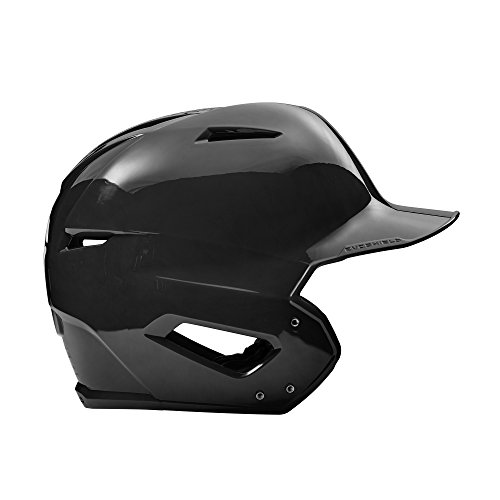
The core function of any batting helmet is energy dissipation. EvoShield utilizes advanced composite materials and high-density foams designed to absorb the kinetic energy of a high-velocity pitch. When browsing the lineup, look for helmets that feature reinforced shells. While all EvoShield helmets meet standard safety certifications, certain models are engineered with thicker padding specifically for players who face high-velocity pitching, such as those in advanced collegiate or professional tiers. The goal is to find a shell that is rigid enough to prevent penetration but engineered to deflect impact rather than simply absorbing it directly into the skull.
Understanding Fit and the EvoShield Customization Factor
A helmet that slides around your forehead is a liability. If a pitch strikes a loose helmet, the gear may shift upon impact, failing to protect the temple or jaw. EvoShield is known for its focus on anatomical fit. Look for helmets that offer adjustable internal padding systems. Some models allow for a more customized feel through multi-density foam layers that contour to the shape of the head. For younger players, sizing is critical. You want a helmet that provides enough room for growth without sacrificing the snugness required for stability. For adults, a streamlined, low-profile fit is often preferred to reduce wind resistance and improve peripheral vision.
Face Protection: Cages vs. Open Face
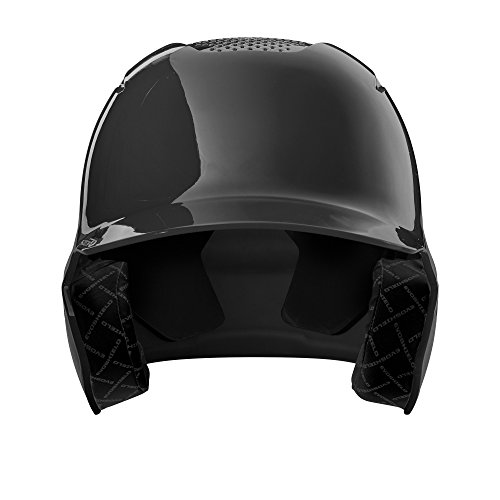
One of the most significant decisions you will make is whether to opt for an open-face design or a helmet with an integrated face guard. Open-face helmets offer superior ventilation and an unobstructed field of vision, which is ideal for contact hitters or players in lower velocity leagues. However, if you are a power hitter or playing in a league where velocity is high, a helmet with a built-in steel or titanium cage is highly recommended. EvoShield offers several configurations where the cage is seamlessly integrated into the shell design, ensuring that the weight is distributed evenly so the helmet doesn't feel front-heavy.
Ventilation and Weight Management
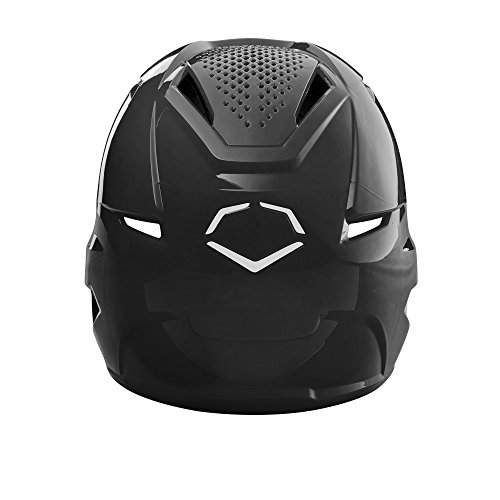
Heat exhaustion and discomfort can break a player's concentration. High-performance helmets often feature ventilation ports—small cutouts designed to allow airflow around the scalp. While more vents can lead to a slightly less rigid shell, the trade-off in comfort is often worth it during summer double-headers. Additionally, pay close attention to the weight. A heavy helmet can cause neck fatigue over the course of a long season. Aim for a model that utilizes lightweight composites to ensure that the protection does not come at the cost of physical endurance.
Decision Logic: How to Choose
To make your final selection, follow this hierarchy: First, determine your level of play and the average velocity you face. This dictates whether you need a cage. Second, prioritize fit. If a helmet feels loose in the showroom, it will be dangerous on the field. Third, consider your comfort needs, such as ventilation and weight. By following this logic, you ensure that your EvoShield helmet is not just a piece of gear, but a reliable partner in your performance.