Understanding the Protection Spectrum: Gig Bags vs. Hardshells
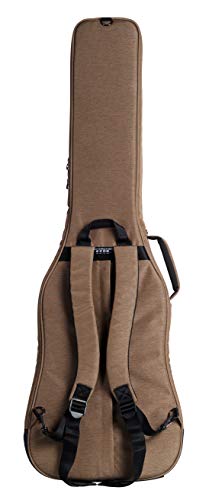
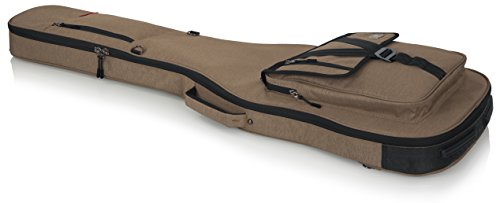
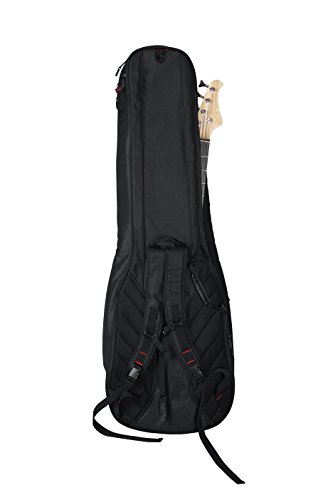
The first decision in your purchasing journey is determining the level of structural rigidity required. Gator’s lineup typically splits into two distinct philosophies. Gig bags are designed for mobility and convenience. They utilize high-density foam and padded fabric to protect against scratches and minor bumps. These are ideal if you are primarily transporting your bass in a climate-controlled vehicle or walking short distances. However, if you are checking a flight or frequently traveling in high-traffic areas, you must look toward their hardshell or semi-rigid options. Hardshell cases provide a crush-proof exterior that shields the bass from heavy impacts and significant pressure, ensuring the neck and body remain intact regardless of how the case is handled by third parties.
Key Decision Factors: Fit, Weight, and Scale Length
Bass guitars are significantly larger than electric guitars, and a 'one size fits most' approach often leads to disaster. When browsing Gator cases, you must pay close attention to the internal dimensions. A bass that is too large inside a case will slide around, causing the headstock to strike the interior walls during movement. Conversely, a case that is too tight can put unnecessary lateral pressure on the neck. Always verify if the case is designed for standard long-scale basses or if it accommodates extended scale lengths or multi-scale (fanned fret) designs. Additionally, consider the weight of the case itself. A heavy hardshell case combined with a heavy solid-body bass can lead to significant fatigue during transport. If you prioritize ergonomics, look for bags with reinforced, padded straps that distribute weight across your shoulders more effectively.
Environmental Protection and Interior Comfort
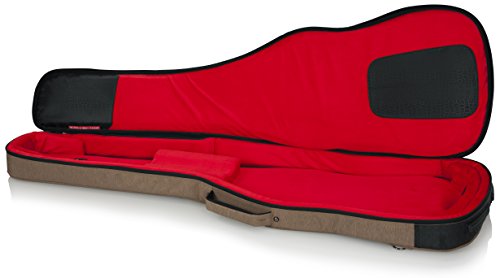
A high-quality Gator case should do more than just stop impacts. It should manage the environment inside. Look for cases that feature a plush, velvet-like interior lining. This prevents the finish of your bass—whether it is a delicate nitrocellulose or a tough poly finish—from being abraded by the case material. For those living in extreme climates, humidity control is vital. Some higher-end Gator models offer better sealing properties to prevent rapid moisture loss or gain, which can cause wood to crack or swell. Furthermore, check for integrated accessory compartments. A dedicated space for your cable, tuner, and strap can prevent these items from rattling around and potentially scratching your instrument's surface.
Recommendation Logic: Matching the Case to Your Lifestyle
To make the final selection, match the case to your most frequent 'worst-case scenario.' If your worst scenario is a small bump in a hallway, a lightweight, padded gig bag with reinforced bottom padding is your best value. If your worst scenario is a heavy instrument being tossed into a van or a luggage compartment, invest in a reinforced hardshell case with high-impact ABS construction. For the professional touring musician, the sweet spot is often found in 'hybrid' models—cases that offer the lightweight feel of a bag but incorporate rigid internal framing to mimic the protection of a hard case.