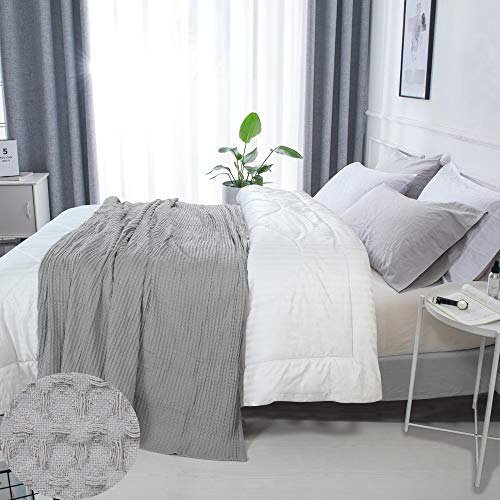
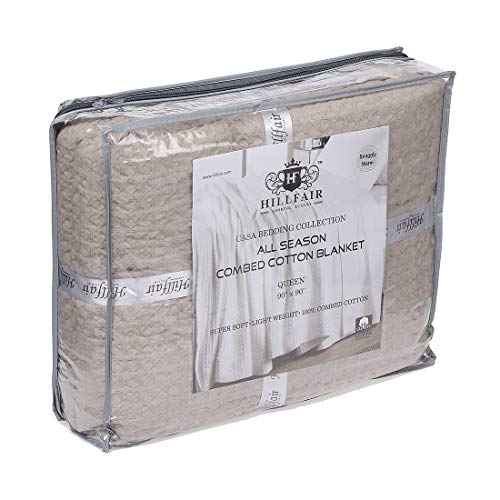
Prioritize Material Composition and Breathability
The most critical decision factor in selecting a blanket is the fiber content. The material dictates how much moisture is wicked away from your skin and how much heat is trapped against your body. For those who tend to run hot, look for blankets utilizing breathable, natural fibers or advanced synthetic microfibers designed for airflow. These materials prevent the 'stifling' sensation often felt with cheap, non-breathable polyester blends. If you prefer a plush, velvety texture, high-density microfiber offers a soft hand-feel, but ensure it is engineered for thermal regulation so you don't overheat mid-night. Conversely, if you seek a weighted or insulating feel, look for weaves that offer higher density without sacrificing the ability to breathe.
Understanding Weight and Thermal Regulation
A common mistake is choosing a blanket based solely on softness while ignoring the thermal weight. A blanket that is too heavy can cause restlessness, while one that is too light will leave you shivering during the early morning temperature drops. When evaluating sleepwish options, consider your specific sleeping environment. If you live in a climate-controlled room with consistent temperatures, a medium-weight blanket offers the most versatility. However, if you are a 'hot sleeper,' prioritize blankets labeled as lightweight or summer-weight, which focus on moisture management rather than heat retention. For those who find comfort in the sensation of pressure, a slightly denser weave can provide a sense of security without the bulk of a traditional comforter.
Texture, Weave, and Skin Sensitivity
The tactile experience of a blanket is what you will notice every single time you climb into bed. The weave of the fabric determines both the durability and the 'drape' of the blanket. A tight, smooth weave feels sleek and cooling, whereas a brushed or napped finish feels cozy and warm. If you have sensitive skin or are prone to irritation, pay close attention to the finish of the fabric. You want a blanket that feels seamless and soft against the skin, avoiding any scratchy textures that might arise from low-quality synthetic filaments. A high-quality blanket should maintain its softness even after multiple wash cycles, so look for descriptions that emphasize long-lasting texture retention.
Durability and Maintenance Requirements
A blanket is a long-term bedding investment, meaning its ability to withstand frequent laundering is paramount. Before purchasing, consider how much effort you want to put into maintenance. Some high-end textured blankets may require gentle cycles or specific drying temperatures to prevent pilling or loss of loft. Look for blankets that are designed for easy care, meaning they can handle standard machine washing without losing their shape or structural integrity. A blanket that pills (forms small balls of fiber) after just a few washes is a sign of poor fiber quality and a poor value for your money.
Decision Logic: The Quick Checklist
To make your final selection, run through this logic: First, define your temperature needs (Hot, Cold, or Neutral). Second, choose your preferred tactile sensation (Silky, Plush, or Textured). Third, assess your maintenance preference (Low-maintenance machine wash vs. delicate care). By aligning these three pillars, you move from a generic purchase to a targeted selection that enhances your sleep hygiene.