Understanding the 'Custom' Look: Fabric and Drape
The primary difference between a standard off-the-shelf bed skirt and one that looks custom is the quality of the textile. Custom linens are characterized by their weight and how they hang. To replicate this, avoid thin, shiny polyesters that tend to cling to the mattress or create static. Instead, look for high-thread-count cotton percale for a crisp, structured look, or heavy linen blends for a relaxed, organic elegance. A heavier fabric will hang straight down from the bed rail, masking the unevenness of the box spring and the floor, whereas lightweight fabrics often ripple or bunch in ways that look unrefined.
Measuring for the Perfect Drop
The most common mistake in selecting a bed skirt is miscalculating the 'drop'—the distance from the bottom of the mattress or box spring to the floor. A custom-feeling skirt should ideally hover about a quarter to a half-inch above the floor. If it is too short, it looks accidental. If it is too long, it will bunch up and collect dust. To get this right, measure from the top of your box spring to the floor. When shopping, pay close attention to whether the product dimensions refer to the total length or just the hanging portion. For a truly bespoke appearance, consider a skirt that allows for slight adjustments or one that is designed to be tucked under the mattress for a cleaner profile.
Selecting the Right Style: Tailored vs. Gathered
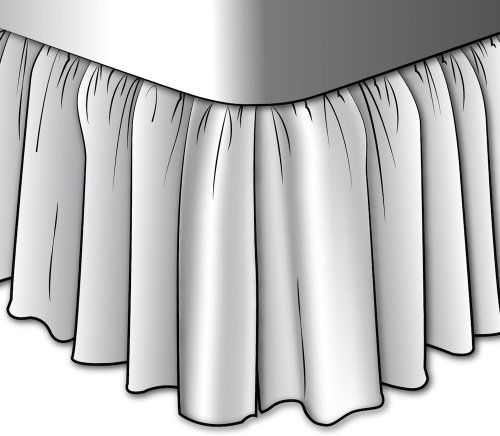
The construction style of the skirt dictates the formality of your bedroom. If you are aiming for a modern, minimalist, or transitional aesthetic, opt for a tailored or pleated style. Tailored skirts feature flat panels that create clean, vertical lines, mimicking the architectural look of custom upholstery. If your decor leans toward traditional, farmhouse, or romantic styles, a gathered or ruffled bed skirt can add much-needed texture and softness. However, be cautious with gathers: too much volume can make a small room feel cramped. A 'close to custom' approach often involves a subtle box pleat, which provides the structure of a tailored skirt with a hint of classical detail.
Attachment Methods: Wrap vs. Elastic
How the skirt attaches to your bed significantly impacts how 'integrated' it looks. Elasticized skirts are convenient and easy to install, but they can sometimes slip or create unsightly bulges under the mattress. For a look that mirrors custom linens, look for wrap-around styles or skirts that utilize a shaker-style attachment. A wrap-around skirt that secures around the box spring provides a much smoother, more continuous silhouette, preventing the skirt from shifting during the night and maintaining that crisp, professional finish you desire.
Color Coordination and Texture Integration
To achieve a seamless look, do not simply match the color of your sheets. Instead, aim to complement the tonal palette of your entire bedding ensemble. A bed skirt in a slightly different shade or texture than your duvet can add depth. For example, if you have a smooth cotton duvet, a textured linen bed skirt can create a sophisticated layered effect. This intentional use of contrast is a hallmark of professional interior design and is the easiest way to make standard linens feel like they were custom-made for your space.