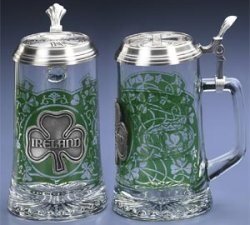
Material and Texture: The Foundation of the Stein
The first decision you must make is the material. Most high-quality leaf steins fall into two categories: ceramic/stoneware and glass. Ceramic steins, particularly those made from heavy stoneware, are the gold standard for collectors. They allow for deep, three-dimensional relief work, meaning you can actually feel the 'veins' of the leaf under your fingers. This tactile sensation is a hallmark of premium leaf designs. If you prefer a lighter, more modern look, hand-blown glass steins with leaf motifs etched into the surface offer a beautiful way to showcase the clarity and carbonation of your brew. However, keep in mind that glass lacks the insulating properties of thick ceramic, which helps keep your beer colder for longer.
Ergonomics and Handle Design
Because leaf-themed steins often deviate from the standard cylindrical shape to mimic organic forms, ergonomics become critical. A leaf stein might have a tapered base or an irregular rim to simulate a natural edge. When evaluating a stein, consider how the weight is distributed. A heavy, bottom-heavy stein provides stability on a wooden table, but if the handle is too small or poorly positioned relative to the leaf's center of gravity, your wrist will fatigue quickly during a long session. Look for handles that are integrated seamlessly into the leaf design, ensuring they are wide enough to accommodate several fingers without feeling cramped.
Capacity and Occasion
How much liquid do you intend to pour? Steins generally range from small 12-ounce tasting vessels to massive 32-ounce ceremonial vessels. If you are looking for a piece to display on a mantle or a bookshelf, a larger, more ornate stoneware stein with intricate autumnal leaf patterns serves as a stunning centerpiece. If you plan on using the stein for frequent social gatherings, a mid-range capacity (16 to 20 ounces) is the most practical. This size is large enough to feel substantial but light enough to pass easily between friends.
Artistry and Detail: Identifying Quality
The difference between a mass-produced novelty item and a true piece of art lies in the detail. Examine the edges of the leaf motifs. High-quality steins will have crisp, defined lines that don't feel 'mushy' or overly smoothed out. In glazed ceramic models, look for even color distribution. You want the glaze to settle into the crevices of the leaf veins to highlight the texture, rather than pooling in a way that obscures the design. If the stein features a lid—common in traditional German styles—ensure the seal is tight and the thumb-lever is sturdy, as this prevents spills and keeps the beer fresh.
Maintenance and Longevity
Finally, consider how you will care for your investment. Most decorative ceramic steins are dishwasher safe, but the intense heat and abrasive detergents can dull the luster of intricate glazes over time. For heirloom-quality leaf steins, hand-washing is highly recommended to preserve the fine details of the organic textures. If you choose a glass leaf stein, be wary of thermal shock. Avoid pouring ice-cold beer into a glass that has been sitting in a warm room, as the sudden temperature shift can cause micro-fractures in the delicate leaf etchings.