Identify Your Riding Discipline
The most critical step in selecting a Troy Lee Designs helmet is matching the helmet's architecture to your primary riding environment. Troy Lee Designs categorizes their products based on the level of protection and coverage required for different terrains. If you are primarily a downhill or freeride enthusiast, you should look for full-face helmets that offer extended chin bar protection and a wider field of view. These are designed to withstand high-velocity impacts and provide coverage for the jaw and face. Conversely, if your focus is Enduro or All-Mountain riding, you will want a helmet that offers more coverage at the back of the head than a standard XC helmet, but with significantly more ventilation than a full-face model. For pure cross-country or trail riding, lightweight, highly ventilated half-shell helmets are the priority to prevent overheating during long climbs.
Weight vs. Protection Trade-offs
In the world of high-end cycling, there is an inherent tug-of-war between weight and impact safety. A heavier, more robust helmet typically offers more coverage and more substantial materials to absorb energy, which is ideal for gravity riders. However, this extra weight can lead to neck fatigue during long sessions or technical climbs. Troy Lee Designs utilizes high-quality EPS (Expanded Polystyrene) liners and advanced composite shells to mitigate this, but you must still make a conscious choice. If you find yourself spending more time on the chairlift or descending steep chutes, lean toward the heavier, more protective models. If you are an aggressive climber who also hits technical descents, prioritize models that utilize lighter-weight composites to keep the load on your neck manageable.
Ventilation and Thermal Management
Heat exhaustion is a real performance killer on the trail. When evaluating a helmet, look closely at the internal channeling. High-quality helmets don't just have holes in them. They have engineered air paths that pull cool air in through the front and exhaust hot air out the rear. For riders in warmer climates or those performing high-exertion activities, a helmet with a larger number of intake ports is essential. However, be aware that more vents can sometimes mean less structural coverage in certain areas. Look for a design that balances airflow with a continuous protective shell.
Fit, Adjustment, and Safety Tech
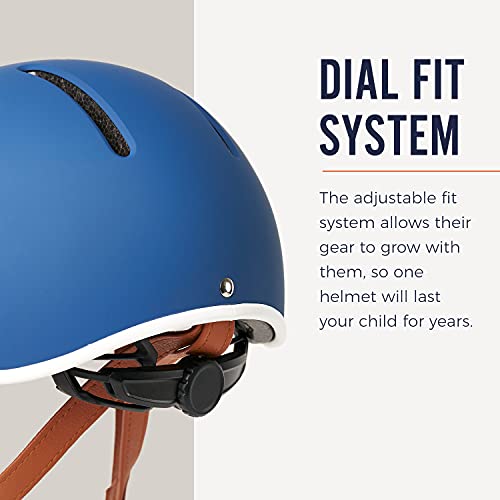
A helmet is only effective if it stays in the correct position during an impact. Troy Lee Designs typically employs sophisticated retention systems, including micro-adjustable dials at the rear of the helmet to ensure a snug, customized fit. Beyond the fit, look for integrated safety technologies designed to mitigate rotational forces during an angled impact. These systems allow the helmet to move slightly independently of the head, reducing the transfer of energy to the brain. Finally, always ensure the helmet meets current safety certifications for your region, as this is the baseline for any legitimate protection.
The Importance of the Visor
For many Troy Lee Designs riders, the visor is a key functional component. A long, sturdy visor is excellent for blocking sun glare and protecting the face from low-hanging branches, but it can also catch wind at high speeds or obstruct your upward line of sight. Many premium models feature adjustable or removable visors, providing the versatility to switch between a protected downhill setup and a more aerodynamic trail setup.