Determine Your Riding Discipline
The most critical decision factor is the type of cycling you do, as this dictates the mounting style and coverage area required. For road cyclists and commuters, you should look for 'wrap-around' or full-coverage fenders that attach to the seat post and fork stays. These are designed to block fine water spray from hitting your shoes and lower back. Conversely, if you are an off-road rider, you need 'mudguards' or 'mini-fenders' that clip directly onto the fork crown. These are shorter and more flexible, designed to deflect heavy clumps of mud without interfering with your tire's traction or the bike's suspension travel.
Material Durability and Flexibility
M Wave fenders are typically constructed from high-grade plastics or reinforced polymers. When choosing, consider the 'flex factor.' A fender that is too rigid may crack when hitting a bump or vibrate excessively at high speeds, creating an annoying rattling sound. A high-quality fender should have enough give to absorb minor impacts from flying debris while maintaining its shape to keep the spray contained. Look for materials that are UV-resistant to ensure the plastic doesn't become brittle and snap after months of sun exposure.
Mounting Compatibility and Ease of Installation
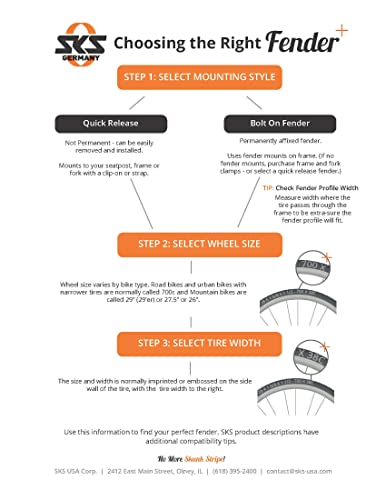
Before purchasing, inspect your bike's frame for mounting points. Many modern mountain bikes lack dedicated eyelets for long fenders, meaning you will need a strap-on or clip-on style. For urban bikes, check for clearance between the tire and the frame. A fender that is too wide can rub against your tire, causing premature wear or mechanical drag. Pay close attention to the mounting hardware included in the kit. Quick-release systems are ideal for riders who want to strip the fenders off for summer riding, while bolt-on systems offer the most stability for permanent setups.
Coverage Area and Spray Protection
Not all fenders are created equal in terms of protection. A narrow fender might look sleek, but it often leaves the rider's ankles and lower back exposed to 'rooster tails' of water. If your goal is maximum dryness, prioritize fenders with a wider profile and longer rear extensions. If you are riding in technical terrain, ensure the fender doesn't extend so far forward that it catches on branches or obstructs your view of the trail. The ideal fender provides a wide enough arc to cover the tire's contact patch without compromising the bike's agility.