Ring Mechanism and Capacity
The most critical component of any binder is the ring mechanism. When evaluating binders, look specifically for 'One-Touch' or easy-open rings. These allow you to flip through pages quickly without the mechanical resistance often found in cheaper, spring-loaded alternatives. Furthermore, pay close attention to the ring type: round rings are excellent for standard flipping, while D-rings are superior for high-capacity storage. D-rings allow pages to lie flat and prevent the 'telescoping' effect, where papers bunch up toward the front of the binder. Always match the ring diameter to your intended volume. A 1-inch binder is perfect for light handouts, while a 3-inch binder is necessary for massive archival projects.
Material Durability and Cover Construction
The exterior of your binder determines how well it survives being tossed into a backpack or slid across an office desk. For student use, reinforced poly covers are often preferable because they are water-resistant and can be wiped clean. For professional settings, textured vinyl or heavy-duty polypropylene provides a more sophisticated aesthetic while offering high resistance to scuffing. Look for binders with reinforced edges and spine strengthening. A common failure point in low-quality binders is the spine cracking after repeated use. Premium models utilize flexible, high-density materials that can withstand constant bending without losing their shape.
Internal Organization and Pocket Layout
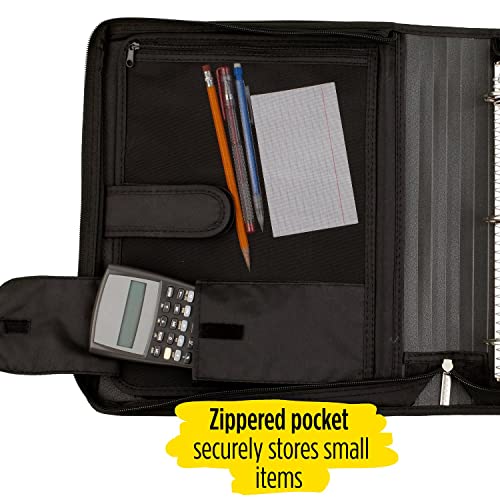
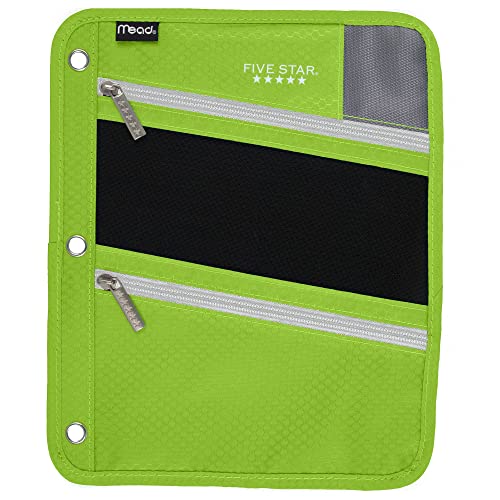
A binder is only as useful as its ability to keep items separated. Beyond the rings, consider the internal architecture. Do you need integrated dividers to create distinct sections? Do you require clear overlay covers on the front and spine so you can insert custom labels or title pages? High-end binders often include gusseted pockets on the inside covers, which are essential for holding loose slips of paper, business cards, or receipts that aren't yet hole-punched. If you are using the binder for frequent reference, look for models with reinforced finger holes in the covers to make retrieving the binder from a crowded shelf much easier.
Weight and Portability Factors
While it is tempting to buy the largest capacity binder possible, weight is a significant logistical factor. A heavy-duty, 4-inch binder filled with paper can become cumbersome and difficult to carry. If portability is a priority, look for 'hybrid' designs that offer high-strength rings but utilize lightweight, high-impact plastics rather than heavy-duty cardboard cores. For those who move between locations frequently, a binder with a built-in handle or a slim profile is a strategic choice to prevent unnecessary bulk in your bag.
Summary Checklist for Buyers
- Ring Type: Choose D-rings for maximum capacity and flat-page laying.
- Opening Mechanism: Prioritize easy-open, low-tension rings for frequent use.
- Cover Material: Select poly for durability/water resistance or vinyl for professional aesthetics.
- Spine Visibility: Ensure the spine is wide enough for clear, legible labeling.
- Internal Features: Check for gusseted pockets and included dividers.