Understanding Species-Specific Needs
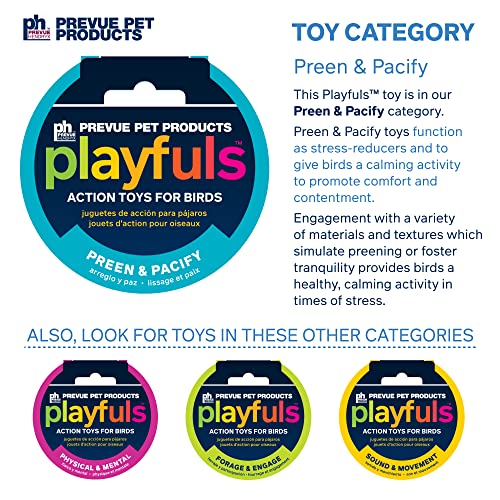
The most common mistake bird owners make is purchasing toys based on aesthetics rather than biological compatibility. A toy that is perfect for a budgie could be a choking hazard for a cockatiel or entirely uninteresting to a conure. When browsing the Prevue selection, categorize your bird by their beak strength and size. Small birds benefit from soft wood, paper, and shredded materials that allow for gentle shredding. Larger psittacines, however, require heavy-duty hardwoods, thick ropes, and durable plastics that can withstand significant biting force. Always match the scale of the toy to the scale of the bird to ensure they can physically interact with the object effectively.
Prioritizing Foraging and Cognitive Enrichment
In the wild, birds spend the majority of their waking hours searching for food. This instinctual drive is the key to preventing behavioral issues in captivity. Look for toys that incorporate foraging elements—items that require the bird to manipulate a lid, pull a string, or move a piece of wood to find a hidden treat. Prevue offers various foraging puzzles that challenge a bird's problem-solving skills. A good rule of thumb is to rotate these toys frequently. If a toy stays in the cage for months without being moved, it becomes part of the 'furniture' and loses its ability to stimulate the brain.
Material Safety and Durability
Safety is paramount when selecting avian enrichment. You must scrutinize the materials used in construction. Avoid any toys with small parts that could be easily detached and swallowed, or any items held together by toxic adhesives or low-quality metals. Prevue generally focuses on natural fibers, untreated woods, and safe plastics, but as a consumer, you should always inspect the build quality. Check for sharp edges on plastic components and ensure that any bells or metal rings are securely fastened. Furthermore, consider the texture: a mix of textures—rough bark, smooth wood, and soft fiber—provides a more holistic sensory experience for the bird.
The Importance of Rotation and Variety
A single toy, no matter how expensive, will eventually lose its novelty. To maintain a high level of engagement, follow a rotation schedule. Instead of cluttering the cage with ten toys at once, provide three or four high-quality items and swap them out every week. Mix up the types of interaction: include one shredding toy, one foraging toy, and one swing or perch toy. This variety ensures that the bird is being challenged physically, mentally, and sensorially. By diversifying the way your bird interacts with its environment, you foster a healthier, more active, and much happier pet.