Prioritizing Fabric Composition and Texture
The most critical factor in selecting a blouse is the material. Since blouses sit directly against your skin, breathability and drape are paramount. For a professional, crisp look, seek out cotton blends or poplin weaves. These materials hold their shape well and provide that structured aesthetic necessary for formal environments. However, if you are looking for something more fluid and romantic, opt for rayon or lightweight synthetic blends that offer a 'silky' feel without the high maintenance of pure silk.
Pay close attention to the weight of the fabric. A blouse that is too sheer may require an additional camisole, adding bulk to your outfit, while a fabric that is too heavy might lose the feminine silhouette characteristic of a true blouse. Look for 'non-iron' or 'easy-care' labels if you want to minimize time spent with an iron, but be aware that these often contain higher percentages of synthetic fibers to achieve that wrinkle resistance.
Understanding Silhouette and Fit
A blouse can transform your entire silhouette depending on its cut. There are three primary styles to consider: the tailored button-down, the relaxed tunic, and the draped cowl neck. The tailored button-down is a staple for business formal settings, but ensure the shoulder seams sit exactly where your natural shoulder ends to avoid a sloppy appearance.
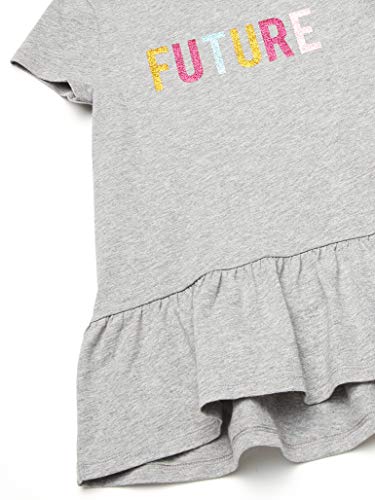
If you prefer a more casual, bohemian aesthetic, look for blouses with subtle details like puff sleeves, ruffles, or tie-necks. These add visual interest to a simple pair of jeans. When evaluating fit, consider the 'bust ease.' A blouse should skim the body rather than clinging tightly to it. Excessive tightness can cause the fabric to pull at the buttons, creating unsightly gaps. Conversely, an overly oversized blouse can overwhelm smaller frames, so look for styles that offer some degree of structure at the waist or shoulders.
Evaluating Construction and Longevity
Because essential blouses are intended for frequent laundering, construction quality is a non-negotiable. Examine the stitching at the armholes and side seams. Loose threads or uneven stitching are red flags that the garment may unravel after a few washes. Furthermore, check the quality of the buttons. They should be securely fastened and not feel flimsy or prone to cracking.
Another key detail is the opacity. Hold the fabric up to the light before purchasing. A high-quality blouse should provide enough coverage to be worn confidently in an office setting. If the fabric is translucent, check if the design includes a built-in lining, which can add a layer of sophistication and durability to the garment.
Versatility and Color Strategy
To maximize your investment, adopt a 'capsule wardrobe' mindset. Start with a foundation of neutrals—white, cream, navy, or black. These colors are the workhorses of your closet and pair effortlessly with almost any skirt, trouser, or blazer. Once your neutrals are secured, you can branch out into seasonal colors or subtle patterns like micro-dots or fine stripes. A well-chosen blouse should be able to work in at least three different outfit combinations, ensuring that every piece you buy earns its place in your wardrobe.