Prioritize Fabric Weight and Breathability
The most critical factor when shopping for layering blouses is the weight of the textile. Because these garments are intended to be worn beneath other pieces, excessive thickness can lead to bunching, discomfort, and trapped heat. For summer layering or indoor office environments, look for lightweight natural fibers like silk, chiffon, or high-thread-count cotton voile. These materials allow for airflow and drape elegantly without adding unnecessary volume to your frame. If you are seeking a layer for colder months, consider brushed cotton or lightweight modal blends, which provide a soft touch against the skin and retain warmth without the bulk of a traditional flannel or heavy poplin.
Analyze the Silhouette and Hemline
The shape of the blouse dictates how it will interact with your outer layers. If you plan to wear your blouses under fitted sweaters or tailored jackets, opt for a 'slim-fit' or 'tailored' silhouette. A blouse with excessive pleating or voluminous sleeves will create unsightly lumps under tight outerwear. Conversely, if you prefer a more relaxed, bohemian aesthetic where the blouse peeks out from under a chunky cardigan, a slightly oversized or tunic-style hemline can work beautifully. Pay close attention to the collar. A crisp, structured collar is ideal for professional settings, while a soft mandarin or Peter Pan collar offers a more casual, approachable look.
Consider the Neckline and Detail Integration
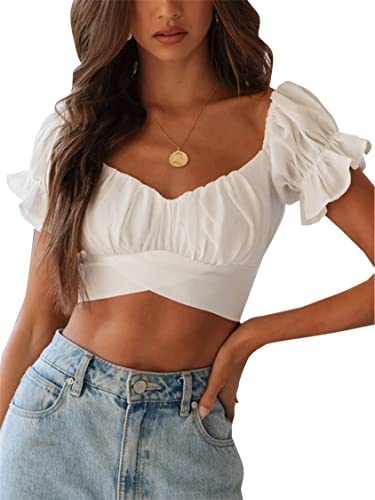
Layering is often about the visual details that remain visible. When selecting a blouse, think about the neckline in relation to your jewelry and outerwear. A V-neck blouse provides a lengthening effect and works well under crewneck sweaters, whereas a high-neck or ruffled blouse serves as a statement piece that can stand alone under a simple blazer. Be wary of excessive embellishments like large buttons, heavy embroidery, or oversized bows on the chest area. These can catch on the fabric of your outer layer, causing the blouse to ride up or create an uneven texture across your torso.
Durability and Maintenance Requirements
Since layering blouses are often worn frequently, they are subject to constant friction from sweaters and jackets. Look for high-quality stitching, particularly around the armscyes and side seams, to prevent tearing. Furthermore, consider your lifestyle when choosing materials. A silk blouse offers unparalleled luxury and drape but requires delicate dry cleaning, whereas a high-quality cotton or synthetic blend may be machine washable. For a low-maintenance wardrobe, look for 'easy-care' or wrinkle-resistant fabrics that maintain their shape even after being compressed under heavy layers for several hours.
Recommendation Logic: Matching Style to Intent
To make the final decision, categorize your needs into three buckets: Professional, Casual, or Seasonal. For Professional needs, prioritize structured poplin in neutral tones. For Casual needs, look for soft jerseys or lightweight linens with relaxed fits. For Seasonal transitions, focus on texture—smooth silks for spring and soft, slightly denser weaves for autumn. By matching the fabric weight to the climate and the silhouette to the intended outer layer, you ensure that your blouse serves its purpose as a functional and stylish foundation.