Prioritizing Safety Certifications
Before looking at colors or strap styles, you must verify the safety standards. For BMX riders, you should look for helmets that meet CPSC (Consumer Product Safety Commission) standards at a minimum. If you are transitioning into more aggressive dirt jumping or park riding, look for helmets that also carry skate-specific certifications. A high-quality BMX helmet uses expanded polystyrene (EPS) foam to manage impact energy. The density and quality of this foam are what differentiate a budget toy from a professional-grade piece of protective equipment. Never compromise on certification to save a few dollars. A helmet is an insurance policy for your brain.
Style: Full-Face vs. Open-Face
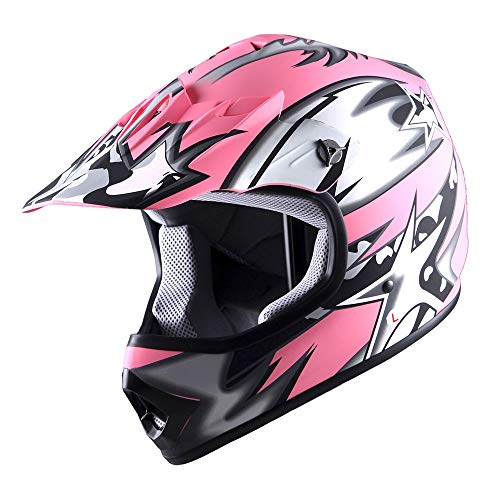
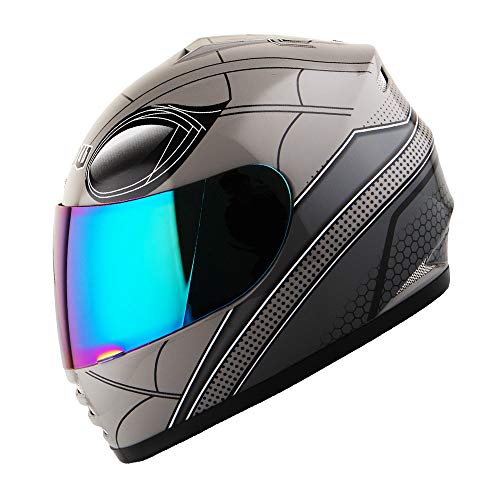
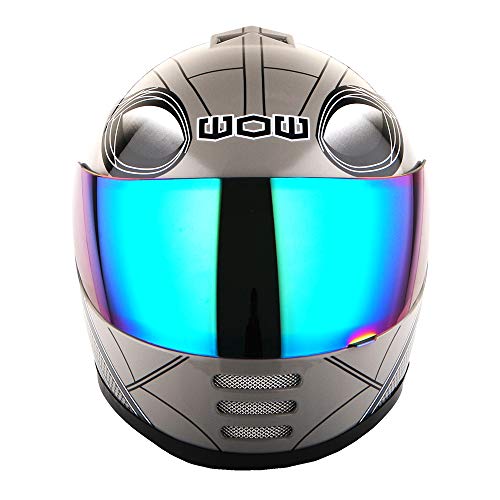
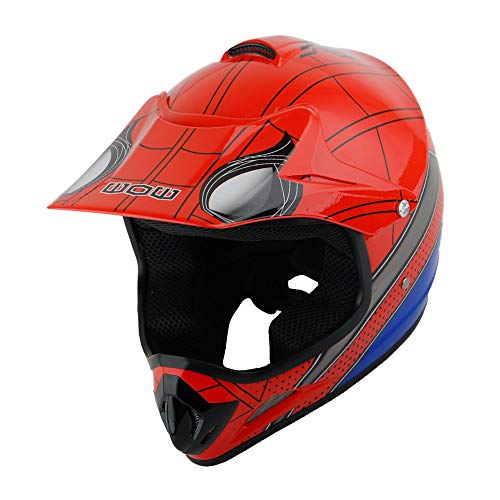
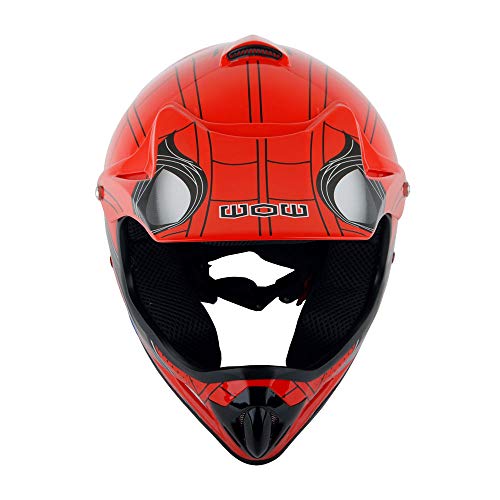
One of the first decisions you will face is the silhouette of the helmet. Open-face helmets are the standard for street and park riders who prioritize peripheral vision and weight reduction. They allow for better airflow and a less restrictive feel, which is essential when you are performing rapid head movements during spins and flips. However, if your riding style leans toward heavy dirt jumping, large transitions, or high-speed vert, a full-face helmet is the superior choice. Full-face models provide critical protection for the jaw and facial structure, which are highly vulnerable during forward-pitch crashes. Choose based on your specific discipline: street/park for agility, or dirt/vert for maximum coverage.
Weight and Ventilation Dynamics
BMX riding is physically demanding. A helmet that is too heavy will cause neck fatigue during long sessions, potentially affecting your balance and reaction times. Look for helmets that utilize advanced shell materials—such as polycarbonate or reinforced composites—to keep the weight low without sacrificing structural integrity. Simultaneously, you must consider ventilation. BMX sessions often happen in summer heat or high-exertion environments. Look for internal channeling and strategic vent placement that allows air to move across the scalp. A helmet that traps heat will lead to discomfort and distraction, which are the enemies of a clean landing.
Fit, Liner, and Retention Systems
A helmet only works if it stays in place during an impact. A 'loose' helmet can rotate during a crash, rendering the protection useless. When testing a helmet, ensure it sits level on your head without tilting back to expose your forehead. The retention system—the straps and the dial-fit adjustment at the rear—should allow for a snug, customized fit. Look for micro-adjustable dial systems that allow you to fine-tune the tension around the occipital bone. Additionally, check the interior padding. High-quality helmets use moisture-wicking, removable liners that make the helmet easier to clean and more comfortable against the skin during intense rides.
Summary of Recommendation Logic
To find your ideal helmet, follow this logic: First, define your discipline (Street = Open-face. Dirt/Vert = Full-face). Second, check for CPSC certification. Third, weigh the helmet in your hand. If it feels cumbersome, keep looking. Finally, ensure the ventilation and fit system allow for the high-intensity movement characteristic of BMX riding.