Understanding Compression Levels and Support
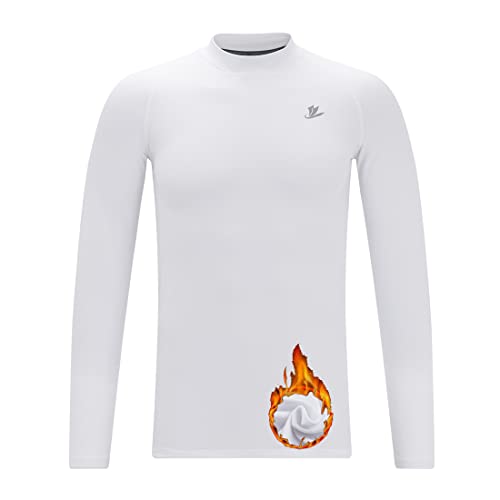
The primary reason to invest in compression gear is the graduated pressure it applies to the muscles. For boys, this support is vital for reducing muscle oscillation—the tiny vibrations that occur during running or jumping—which can lead to premature fatigue. When browsing the Devoropa lineup, look for 'targeted compression.' This means the fabric is tighter around the major muscle groups (like the quadriceps or calves) while remaining flexible enough to allow for a full range of motion. If the compression is too light, it functions like standard leggings. If it is too intense, it may impede blood flow or feel suffocating. Aim for a balance that feels like a 'second skin' rather than a restrictive bandage.
Fabric Composition and Moisture Management
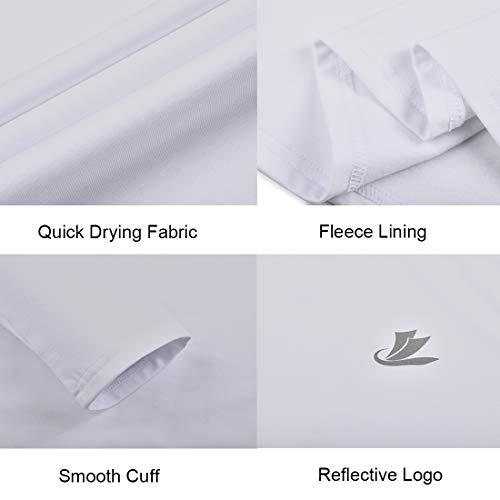
Young athletes tend to sweat more profusely during intense play, making moisture-wicking technology a non-negotiable feature. Look for advanced synthetic blends, typically involving high percentages of polyester and elastane (Spandex). These materials are designed to pull sweat away from the skin to the surface of the fabric where it can evaporate quickly. This prevents the 'heavy, wet feeling' that can cause skin irritation or chafing. Additionally, check for four-way stretch capabilities. A quality piece of fitness compression must stretch both crosswise and lengthwise to accommodate the rapid growth spurts common in boys, ensuring the garment moves with them rather than against them.
Seam Construction and Skin Comfort
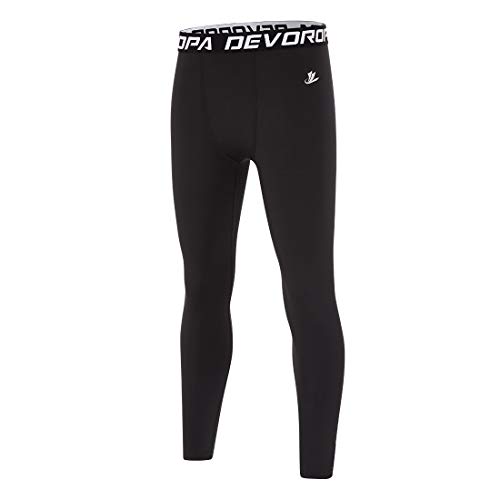
One of the most common complaints with compression gear is chafing, particularly in the inner thigh and groin areas. To avoid this, prioritize products that feature flatlock stitching. Flatlock seams lie flat against the skin rather than protruding, which significantly reduces the risk of friction burns during repetitive movements like sprinting or cycling. Furthermore, consider the waistband design. A wide, soft, elastic waistband helps distribute pressure evenly around the waist, preventing the garment from rolling down or digging into the abdomen during core-heavy exercises.
Durability and Maintenance Considerations
Since boys' fitness gear undergoes frequent washing and high-intensity use, durability is a key decision factor. Look for reinforced stitching in high-stress zones, such as the crotch and knees. Because compression fibers are delicate, the longevity of the garment often depends on how it is cared for. Avoid using fabric softeners, as these can coat the technical fibers and destroy their ability to wick moisture. Instead, opt for cold water washes and air drying to maintain the elasticity and 'snap-back' quality of the compression fabric over time.
Decision Logic: Matching Gear to Activity
When making your final selection, match the specific garment to the sport. For contact sports like football or rugby, look for compression shirts that offer more coverage to protect against turf burn. For agility-based sports like soccer or track, focus on compression leggings that provide lightweight support for the lower limbs. By focusing on these technical specifications—compression level, moisture management, seam quality, and fabric durability—you can ensure that the gear provides a functional advantage rather than just being another layer of clothing.