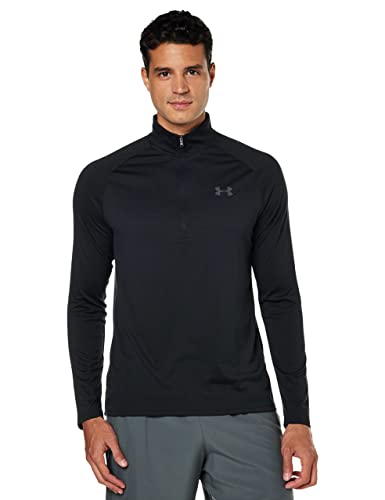
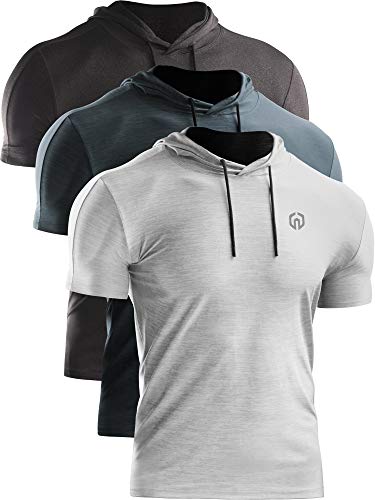
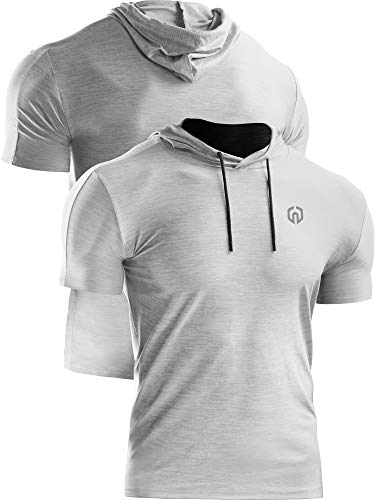
Prioritize Fabric Technology and Moisture Management
The primary reason to invest in a dedicated fitness brand like Under Armour is the technical construction of the fabric. For boys, who tend to overheat quickly during physical activity, look specifically for 'HeatGear' technology. This is designed to be ultra-lightweight and incredibly breathable, pulling sweat away from the skin to the surface of the fabric where it can evaporate rapidly. If you are shopping for seasonal transitions or outdoor sports in cooler climates, look for 'ColdGear' options, which use a brushed interior to trap heat without adding bulk. Avoid heavy, 100% cotton shirts for intense training. Cotton absorbs moisture and becomes heavy and chafing, which can lead to discomfort and skin irritation during movement.
Understand the Fit: Compression vs. Loose
One of the most critical decision factors in the Under Armour lineup is the silhouette. These shirts generally fall into three distinct categories: Compression, Fitted, and Loose. Compression shirts are designed to fit like a second skin. They are excellent for muscle support and keeping the athlete's temperature regulated, but they can be difficult for some boys to tolerate if they aren't used to the sensation of tight clothing. Fitted shirts offer a middle ground—they follow the contours of the body to prevent excess fabric from flapping around during sprints, but they provide more breathing room than compression gear. Loose fits are best for casual training or for boys who prefer a traditional, airy feel. When deciding, consider the specific activity: compression is great for contact sports or layering, while loose fits are ideal for general gym classes.
Durability and Seam Construction
Boys are notoriously hard on their clothing. A fitness shirt that survives a season of sliding tackles, tumbling, and frequent washing is worth the investment. Pay close attention to the seam construction. High-quality fitness shirts utilize flatlock seams, which lie flat against the skin rather than creating raised ridges. This is essential for preventing chafing during repetitive motions like running or rowing. Additionally, look for reinforced stitching around the collar and hem. Since these shirts are often laundered more frequently than standard cotton tees, look for synthetic blends that are resistant to shrinking and pilling.
Layering Capabilities and Versatility
When building a fitness wardrobe, think about how the shirt will function as part of a system. A lightweight, fitted shirt serves as an excellent base layer under a team jersey or a heavier hoodie. If your son participates in multi-sport activities, look for shirts with UV protection ratings if they spend significant time outdoors. The most versatile shirts are those that transition easily from the field to the classroom, meaning they should have a clean aesthetic that doesn't look overly 'technical' when worn casually. By selecting a shirt that balances high-performance moisture-wicking with a durable, comfortable fit, you ensure your young athlete stays dry, comfortable, and ready for any challenge.