Prioritizing Traction and Outsole Integrity
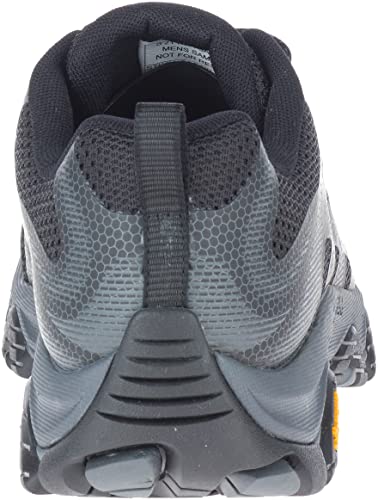
The most critical component of any hiking shoe is the outsole. For boys who tend to run, jump, and scramble over rocks, the tread pattern must be aggressive enough to provide grip on uneven surfaces. Look for deep, multi-directional lugs that can bite into loose dirt and mud. A high-quality outsole should also feature a slip-resistant rubber compound that remains flexible even in cooler temperatures. If the sole is too stiff, it can cause foot fatigue. If it is too soft, it will wear down quickly against abrasive stones. A well-designed outsole will also feature a reinforced toe cap to protect little toes from accidental stubs against rocks or roots.
Waterproofing vs. Breathability
One of the most significant decision factors is how the shoe handles moisture. If your child’s hiking adventures frequently involve creek crossings, damp grass, or rainy weather, a waterproof membrane is essential. A waterproof lining acts as a barrier against external liquid while attempting to allow internal perspiration to escape. However, be mindful that highly waterproof shoes can sometimes run warmer. For summer hiking or desert environments, you might opt for a highly breathable mesh construction that prioritizes airflow over total water resistance. The ideal middle ground is a shoe that offers water-resistant treatments which provide protection against light splashes without sacrificing the ability to vent heat during strenuous climbs.
Support, Fit, and Ankle Stability
Children's feet are still developing, making proper support vital. While low-cut hiking shoes offer more freedom of movement and are easier to slip on and off, mid-cut versions provide much-needed ankle stability. If your child is prone to rolling their ankles on uneven terrain, a mid-cut design can offer a reassuring sense of security. Regardless of the height, the interior of the shoe should feature a cushioned midsole—often made of EVA foam—to absorb the shock of each step. Ensure there is enough room in the toe box for the toes to splay naturally, which prevents cramping during long treks.
Durability and Material Selection
Boys are notoriously hard on their gear. When evaluating hiking shoes, look for reinforced stitching and high-quality synthetic overlays that reinforce high-wear areas like the heel and the sides of the foot. Ripstop fabrics and heavy-duty mesh are excellent choices because they resist tearing while remaining lightweight. Avoid shoes that rely solely on thin fabric, as these will likely fail after a few intense outings. A durable shoe is an investment that ensures the gear can keep up with the high energy levels of an active child throughout an entire hiking season.
Summary Recommendation Logic
When making your final selection, use this hierarchy of needs: First, assess the terrain. If it is rocky and steep, prioritize ankle support and lug depth. Second, assess the climate. If it is wet, prioritize waterproof membranes. If it is hot, prioritize mesh breathability. Finally, prioritize fit. A shoe that is too tight will cause pain, and a shoe that is too loose will cause blisters. The best choice is a shoe that combines a rugged, high-traction outsole with a lightweight, breathable upper that accommodates the natural movement of a growing foot.