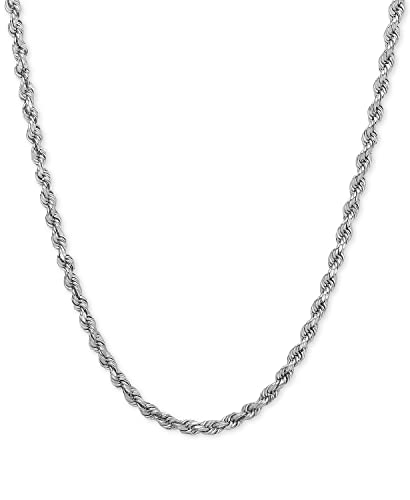
For boys, jewelry is subjected to much more physical activity than adult jewelry. Constant movement, sports, and general play mean that the metal must be resilient. When shopping for necklaces, prioritize high-quality precious metals like 14k gold or sterling silver. Gold is particularly advantageous because it is less likely to tarnish or react with skin oils, which is vital for younger wearers who may be active or prone to sweating. If you are looking at silver, ensure it is high-grade sterling to prevent rapid oxidation. Avoid low-quality costume metals or heavy plating that can flake off, as these can cause skin irritation and lose their luster within weeks of wear.
Evaluating Diamond Quality and Setting Security
When a necklace features diamonds, the focus shifts to how those stones are integrated into the design. For boys' jewelry, we recommend 'bezel settings' or 'flush settings' over traditional prongs. Prongs can snag on clothing, hoodies, or hair, and they are more prone to catching on objects during physical play, which could lead to the loss of the stone. A bezel setting surrounds the diamond with a thin rim of metal, providing maximum protection for the stone and a smoother profile that won't scratch the wearer. Additionally, look for stones that are clarity-graded appropriately for the setting. Since these pieces are often worn in high-activity environments, you want stones that are securely seated and won't chip easily.
Choosing the Right Chain Style and Length
The chain is the foundation of the necklace. For boys, a 'micro-cable' or 'box chain' is often the best choice. Box chains are incredibly sturdy due to their interlocking geometric structure, making them resistant to snapping. Cable chains are classic and versatile, offering a timeless look that works with both casual t-shirts and formal attire. Length is equally critical. A standard 18 to 20-inch chain is typically ideal for older boys and teens, sitting just below the collarbone. For younger boys, a shorter 16-inch chain may be more appropriate to prevent the necklace from swinging excessively during movement. Always consider the 'weight' of the chain. A chain that is too thin will be fragile, while one that is too heavy may feel cumbersome for a child.
Style Considerations: Subtle vs. Statement
Deciding on the aesthetic depends heavily on the boy's personality. Some prefer a 'minimalist' approach—a simple gold chain with a tiny, single diamond accent that is barely noticeable. This is a great entry-level piece that grows with them. Others may want a 'statement' piece, such as a heavy pendant featuring a larger diamond cluster or a geometric shape. If the goal is a piece that will be worn for years, a versatile design that bridges the gap between 'cool' and 'classic' is the smartest investment. Think about whether the piece complements their existing wardrobe or if it is intended to be a standout accessory for formal events.