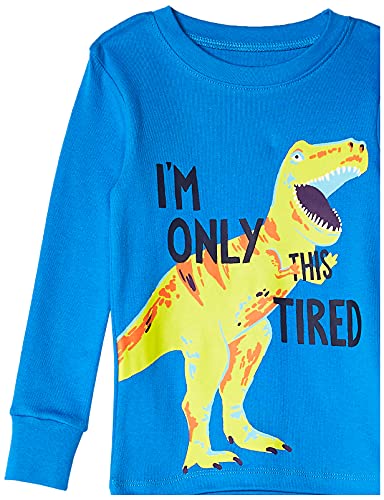
Prioritize Fabric Composition
The most critical decision factor for any pajama set is the material. For year-round comfort, look for 100% cotton. Cotton is highly breathable, which helps regulate body temperature and prevents overheating during the night. If your child is a 'hot sleeper,' cotton is non-negotiable. For colder months, you might consider brushed cotton or fleece-lined sets that provide extra thermal insulation. Avoid heavy synthetic blends if your child is prone to night sweats, as these materials often trap moisture and heat against the skin, leading to discomfort.
Consider Seasonal Weight and Layering
Boys' sleepwear needs to change with the thermometer. In the summer, lightweight short-sleeve and short-pant sets are ideal to allow for airflow. In the winter, long-sleeve tops paired with full-length bottoms provide the necessary coverage. When selecting sets, think about layering potential. A versatile wardrobe includes sets that can be worn alone in mild weather or layered under a heavy robe or sleeping bag during a cold snap. Always check the weight of the fabric in the product description to distinguish between lightweight summer jersey and heavier winter knits.
Focus on Fit and Mobility
Children are rarely still when they sleep. A pajama set that is too tight can restrict movement and cause irritation, while a set that is too baggy can lead to tripping or getting tangled in bedsheets. Look for elastic waistbands that are soft yet secure. They should sit comfortably on the waist without digging in. For growing boys, opting for a slightly relaxed fit is often a wise move to ensure the pajamas remain wearable for more than a few months. Pay close attention to the sleeve and leg length to ensure they don't interfere with the child's ability to toss and turn freely.
Durability and Maintenance
Because boys' pajamas undergo frequent laundering, durability is a key metric of value. Look for reinforced stitching at the seams and high-quality elastic that won't lose its stretch after three washes. Prints and patterns should be part of the fabric weave or high-quality screen prints that won't crack or peel. Since these items will likely be washed in warm water to combat germs, ensure the fabric is pre-shrunk or labeled as resistant to shrinkage to avoid the frustration of a set becoming too small after the first laundry cycle.
Safety and Comfort Details
Finally, consider the small details that impact sleep quality. Tagless labels are a massive advantage for children with sensory sensitivities, as traditional sewn-in tags can be itchy and distracting. Additionally, ensure that any drawstring elements are used cautiously or are absent entirely to adhere to modern sleep safety standards. A seamless feel and a soft hand-feel are the hallmarks of a premium pajama set that a child will actually want to wear every night.