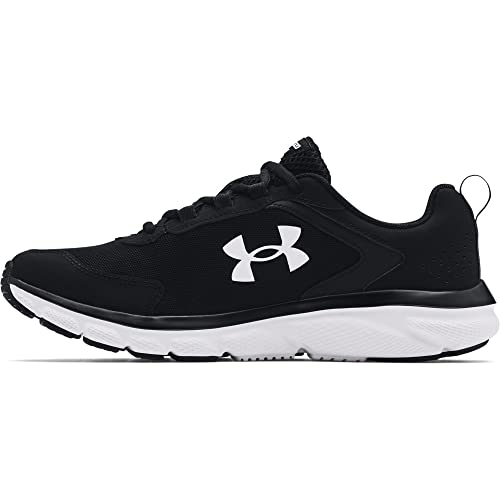
Prioritize Cushioning and Impact Protection
Younger runners, especially those in middle school and early high school, are often still growing and developing their bone density and joint stability. One of the most critical factors when selecting Under Armour running shoes is the midsole technology. Look for models that feature specialized foam cushioning designed to absorb shock upon heel strike. This prevents the jarring impact from traveling up the leg to the knees and hips. While some lightweight shoes focus solely on speed, a balanced runner needs a midsole that offers 'energy return'—the ability to compress under weight and spring back, providing a more efficient stride without sacrificing comfort.
Focus on Breathability and Upper Construction
Running generates significant heat, and boys' feet tend to sweat more during intense activity. A shoe with a closed, heavy synthetic upper will lead to discomfort and potential blisters. Instead, seek out engineered mesh uppers. These materials are specifically woven to allow airflow, keeping the foot cool and dry. Furthermore, pay attention to the 'fit' of the upper. A good running shoe should offer a secure lockdown—meaning the foot doesn't slide around inside the shoe—but it should not pinch the toes. Look for seamless constructions or padded collars to prevent friction points that cause hot spots during long-distance runs.
Durability and Outsole Traction
Boys are notoriously hard on footwear. Between dirt paths, asphalt, and gym floors, the outsole of the shoe takes a beating. When evaluating Under Armour options, check the tread pattern and the material used on the bottom. A high-quality rubber outsole with multi-directional lugs will provide the necessary grip for various terrains, preventing slips during quick turns or sudden stops. Avoid shoes with thin, smooth soles if the primary use will be outdoor running. A thicker, textured rubber outsole ensures the shoe won't wear down to the midsole within a single season of heavy use.
Sizing for Growth and Movement
The most common mistake in buying youth athletic gear is buying a size that is too small to avoid 'looking too big.' However, running shoes require a bit of extra room. As the foot strikes the ground, it naturally spreads and lengthens. There should be approximately a thumb's width of space between the longest toe and the front of the shoe. Additionally, consider the width. Under Armour typically offers a standard athletic fit, but if the child has a wider forefoot, look for models with more flexible mesh that can accommodate the natural expansion of the foot during exercise.
Decision Logic: The Quick Checklist
To make your final selection, use this hierarchy of needs: First, determine the primary environment (Track/Gym vs. Trail/Road). Second, check the cushioning level (High impact protection for beginners. Lightweight responsiveness for experienced runners). Third, verify the breathability of the fabric. If a shoe checks all three boxes and fits with adequate toe room, it is a winner.