Prioritize Material Durability and Water Resistance
Boys tend to be hard on their footwear, often transitioning from a puddle to a sandbox without much thought. When selecting sandals, the primary material is your most important decision factor. Look for high-quality synthetic straps that are resistant to fraying and discoloration when exposed to UV rays and saltwater. If the sandals are intended for heavy water use, such as trips to the pool or water parks, ensure the footbed is non-absorbent. Materials like EVA (Ethylene Vinyl Acetate) are excellent because they are lightweight, provide natural cushioning, and dry incredibly fast, preventing that heavy, soggy feeling that traditional leather or canvas sandals can have after getting wet.
Focus on Adjustable Fit and Security
A sandal that slips off mid-run is a safety hazard and a frustration for both parent and child. For boys, especially those with narrower or wider feet, adjustable closures are non-negotiable. Look for hook-and-loop (Velcro) straps at the ankle and sometimes across the forefoot. This allows for a customized fit that accommodates growing feet and ensures the sandal stays securely attached to the foot during vigorous movement. A secure heel strap is particularly important for preventing trips and ensuring the toes remain protected from impact.
Evaluate Sole Traction and Arch Support
The underside of the sandal is just as important as the straps. A high-quality boys' sandal should feature a multi-directional tread pattern. This provides grip on slippery surfaces like wet pool decks or smooth tile. Avoid sandals with completely flat, smooth soles, as these offer zero traction and can lead to slips. Furthermore, while young children are still developing their foot structure, a sandal with a contoured footbed provides much-needed support. A slight arch contour helps distribute weight more evenly, preventing foot fatigue during long days of walking or playing outdoors.
Consider Ease of Cleaning
Let’s be realistic: boys' sandals will get dirty. Whether it is mud, sand, or spilled juice, you want a pair that can be cleaned with minimal effort. Sandals with smooth, non-porous surfaces are much easier to wipe down with a damp cloth than textured fabrics. If the sandals are designed for heavy outdoor use, check if the construction allows for a quick rinse under a tap without damaging the adhesives or the integrity of the straps. The easier they are to clean, the longer they will look 'new' and the more often they will be worn.
Sizing for Growth and Longevity
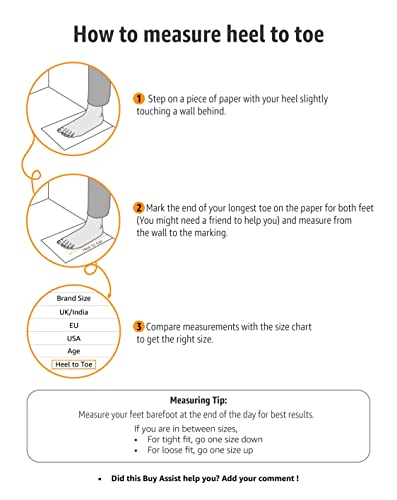
When choosing a size, it is tempting to size up to account for growth spurts. However, too much extra space can lead to tripping. The ideal approach is to look for sandals with highly adjustable straps that can be tightened as the foot grows, while still providing enough room in the toe box so that toes aren't cramped. Aim for about a thumb's width of space at the front to ensure comfort while still maintaining control over the foot's movement.