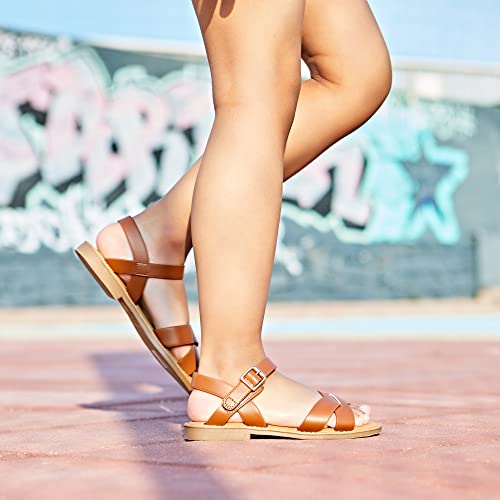
Unlike generic flip-flops that offer a flat, unsupportive surface, high-quality Weestep sandals are designed with the developing foot in mind. For boys who are constantly on the move, look for models that feature contoured footbeds. A well-defined heel cup helps stabilize the foot, preventing it from sliding side-to-side, which is a primary cause of instability and tripping. Additionally, check for moderate arch support. While children's feet are still maturing, a footbed that follows the natural shape of the foot provides better weight distribution and reduces the impact on joints during running and jumping.
Evaluate Strap Security and Adjustability
A sandal is only as good as its ability to stay on the foot. For boys, 'easy on, easy off' is a major sellingment, but it should never come at the expense of security. When selecting a pair, look for multi-point adjustment systems. Ideally, you want straps that wrap around the ankle and the forefoot, utilizing high-quality hook-and-loop fasteners. This allows you to tighten the fit as the child grows or as their feet swell slightly in the heat. Avoid sandals that rely solely on a single toe strap, as these often lead to 'clipping' or tripping when the child attempts to run quickly.
Material Durability and Water Resistance
Boys' footwear undergoes significant stress. You should look for a combination of synthetic webbing and reinforced rubber components. Synthetic straps are preferable because they are less likely to rot or degrade when exposed to moisture compared to certain treated leathers. If your child is a frequent water player, prioritize sandals with quick-dry linings. A key indicator of quality is how the sole is attached to the upper. Look for bonded or stitched construction that can withstand being submerged in pools or lakes without the sole delaminating.
Traction and Outsole Composition
The outsole is arguably the most critical safety component. Because boys often transition quickly from slippery poolside tiles to dry pavement, the tread pattern matters immensely. Look for deep, multi-directional grooves in the rubber outsole. This 'lug' pattern provides the necessary grip to prevent slips on wet surfaces. A dense, non-marking rubber compound is also ideal, as it provides better shock absorption than hard plastics, protecting the child's feet from the impact of hard concrete surfaces.
Sizing for Growth and Longevity
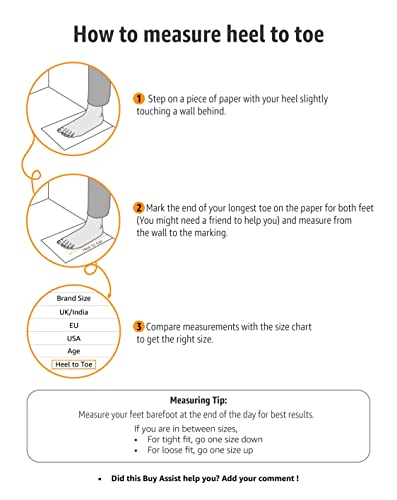
When choosing a size, remember that children's feet grow in spurts. While you want a snug, secure fit to prevent tripping, leaving a small amount of 'wiggle room' at the toes is beneficial. A good rule of thumb is to ensure there is about a thumb's width of space between the longest toe and the end of the sandal. This ensures the sandals remain wearable for more than a single season, providing better value for your investment.